



The espadrille manufacturing workshop, Spain (Alicante)
The history of espadrilles in Spain goes back several centuries. Their origins are not entirely clear, but it is likely that they were introduced to Spain as early as the 13th century.

The workshop and JULES & JENN
Espadrilles quickly became popular throughout Spain, especially in coastal regions where the warm climate made these shoes highly valued for their breathability. They were also worn by peasants and farm workers for their comfort and durability. Over time, espadrilles became a symbol of Spanish identity, associated with the laid-back Mediterranean lifestyle and bohemian aesthetic. So, we searched in Spain and found the family workshop that carefully crafts JULES & JENN wedge espadrilles.
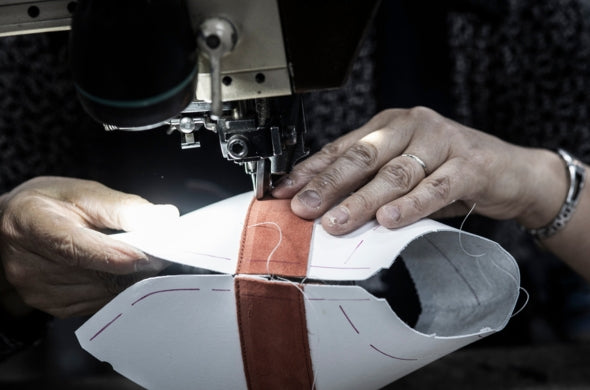
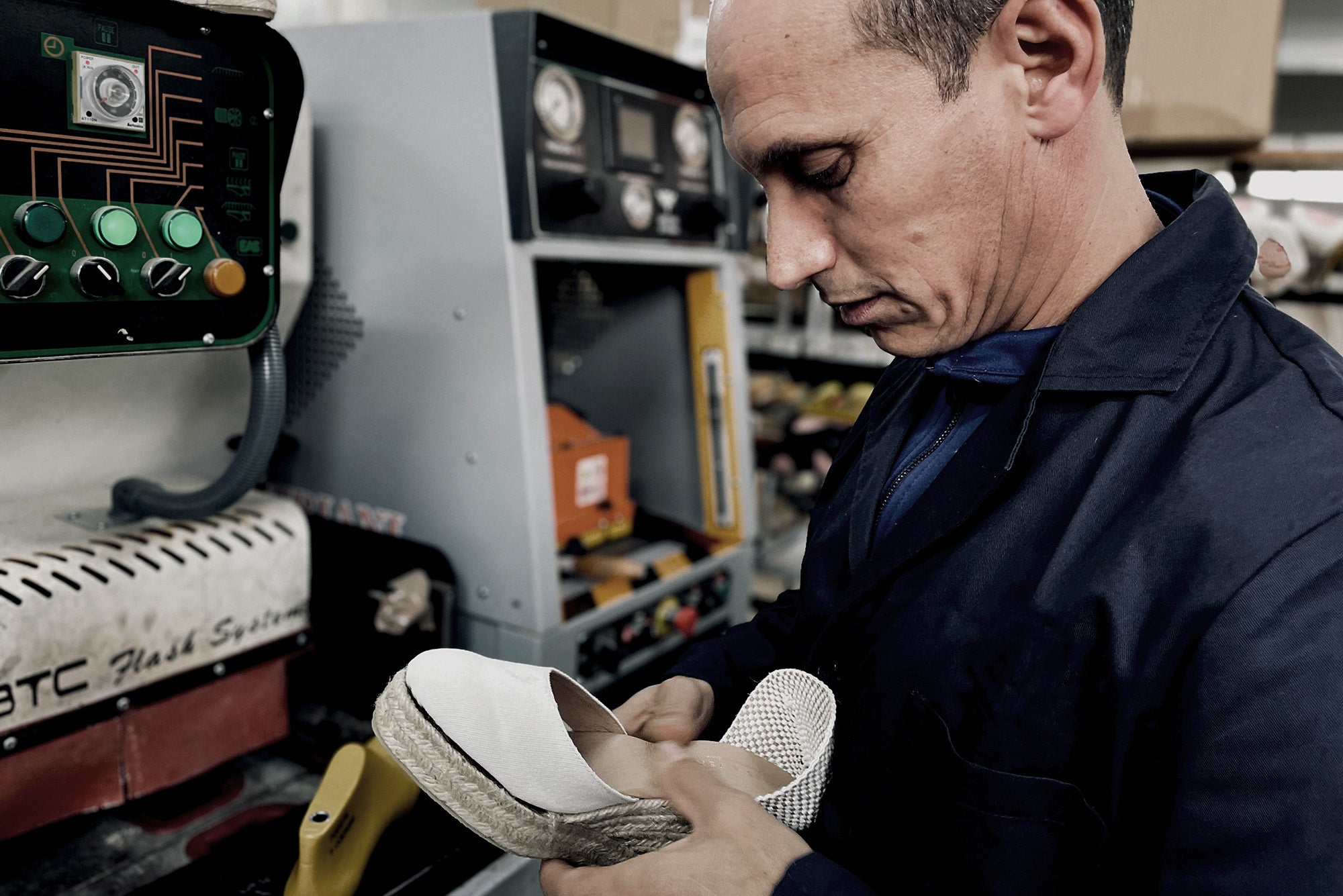
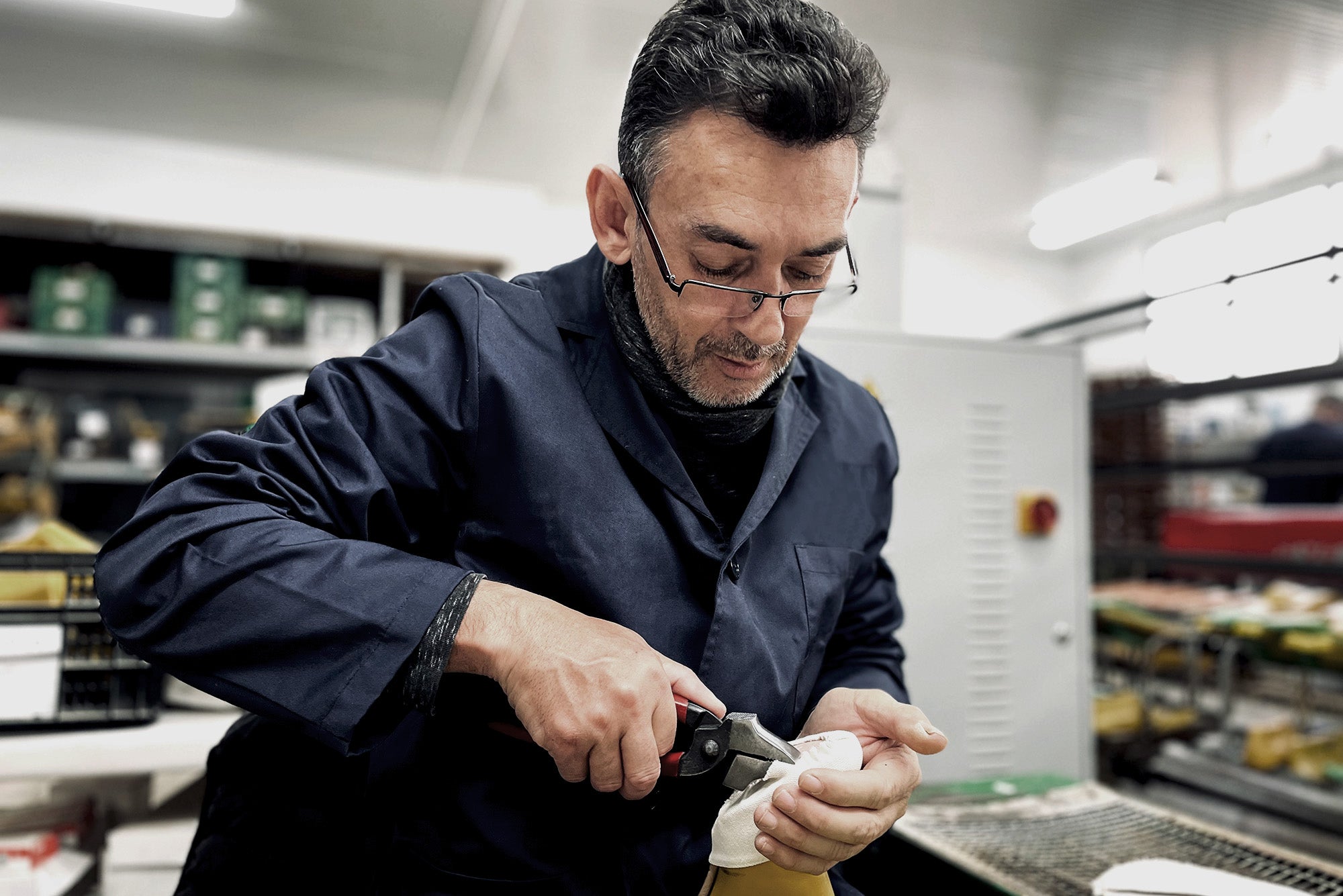
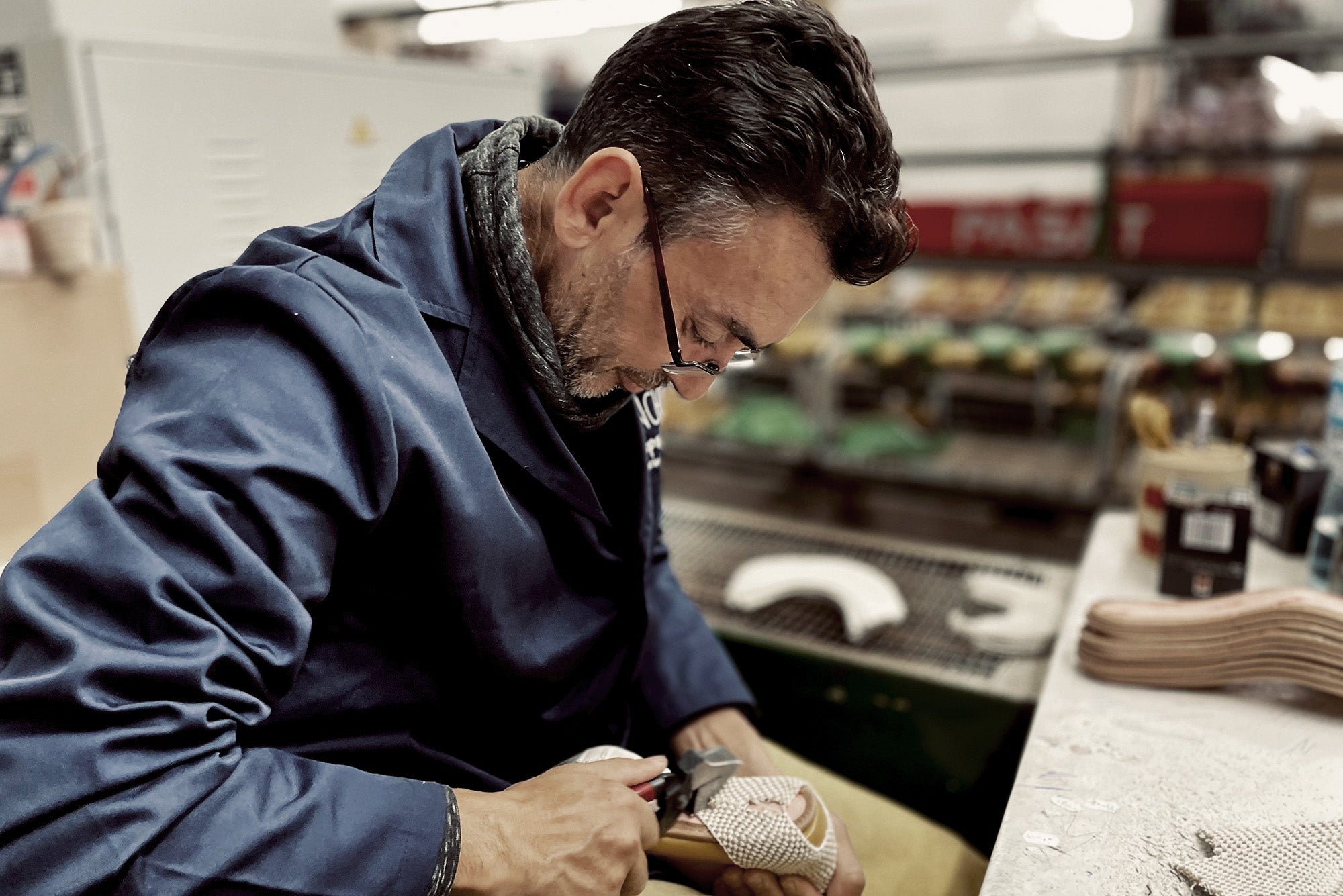
Guided by an unwavering passion for their craft, these artisans skillfully combine traditional materials like leather, cotton, and raffia with modern tools, producing reliable and comfortable shoes that combine elegance and safety with every step. The meticulous attention paid to every step of the manufacturing process, including hand-sewing, results in shoes whose quality and authenticity are palpable from the first sight and touch.

Shoe making
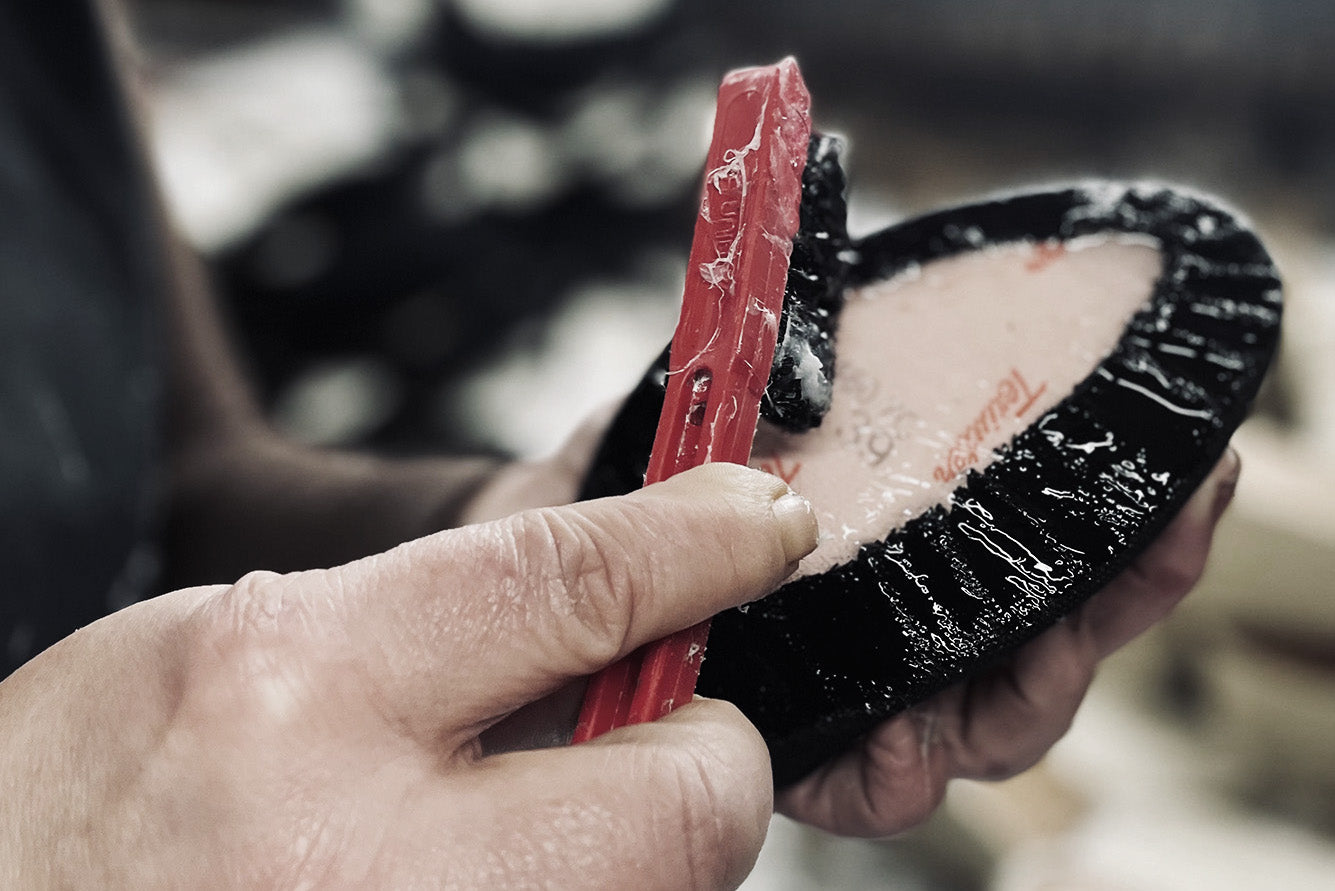
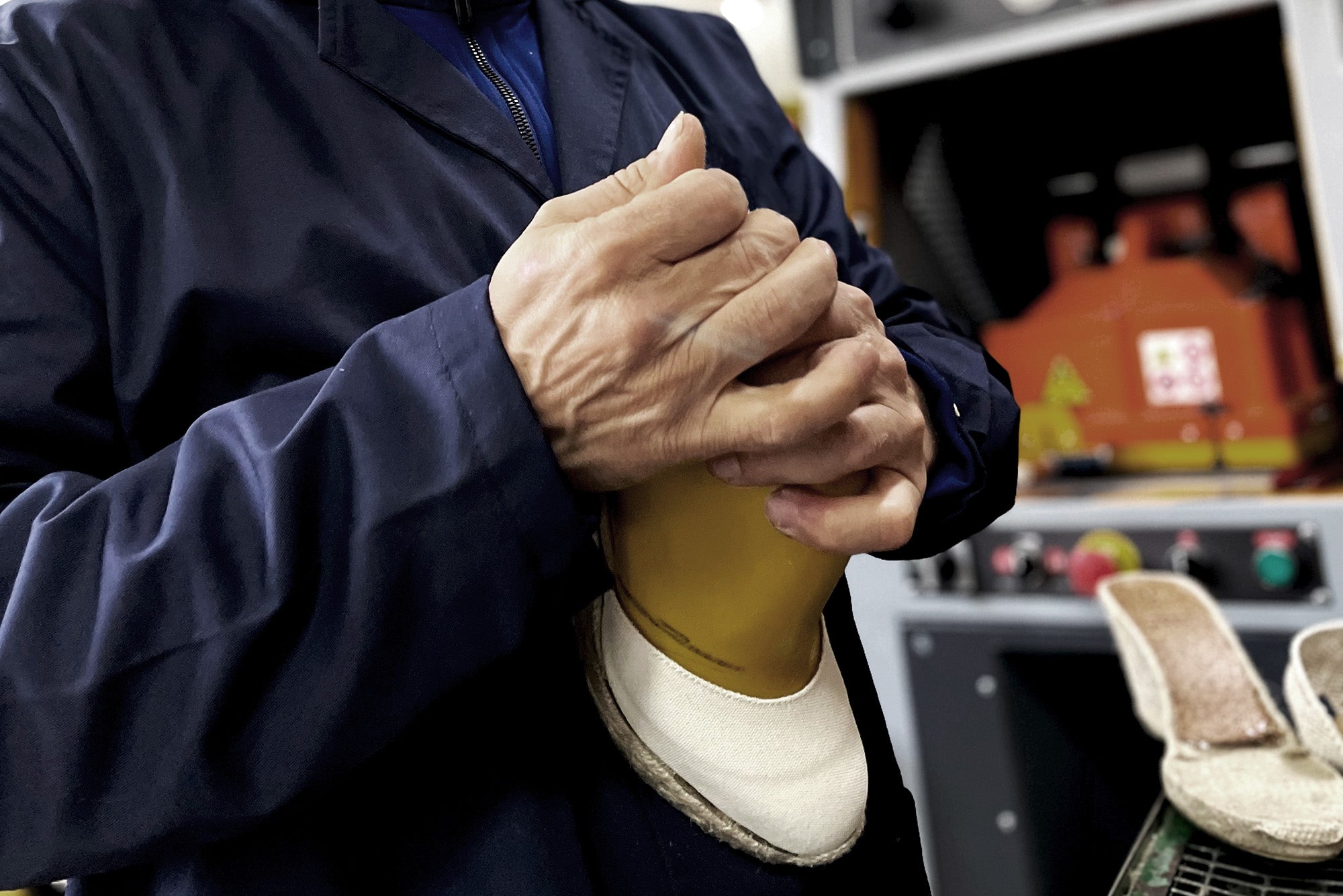
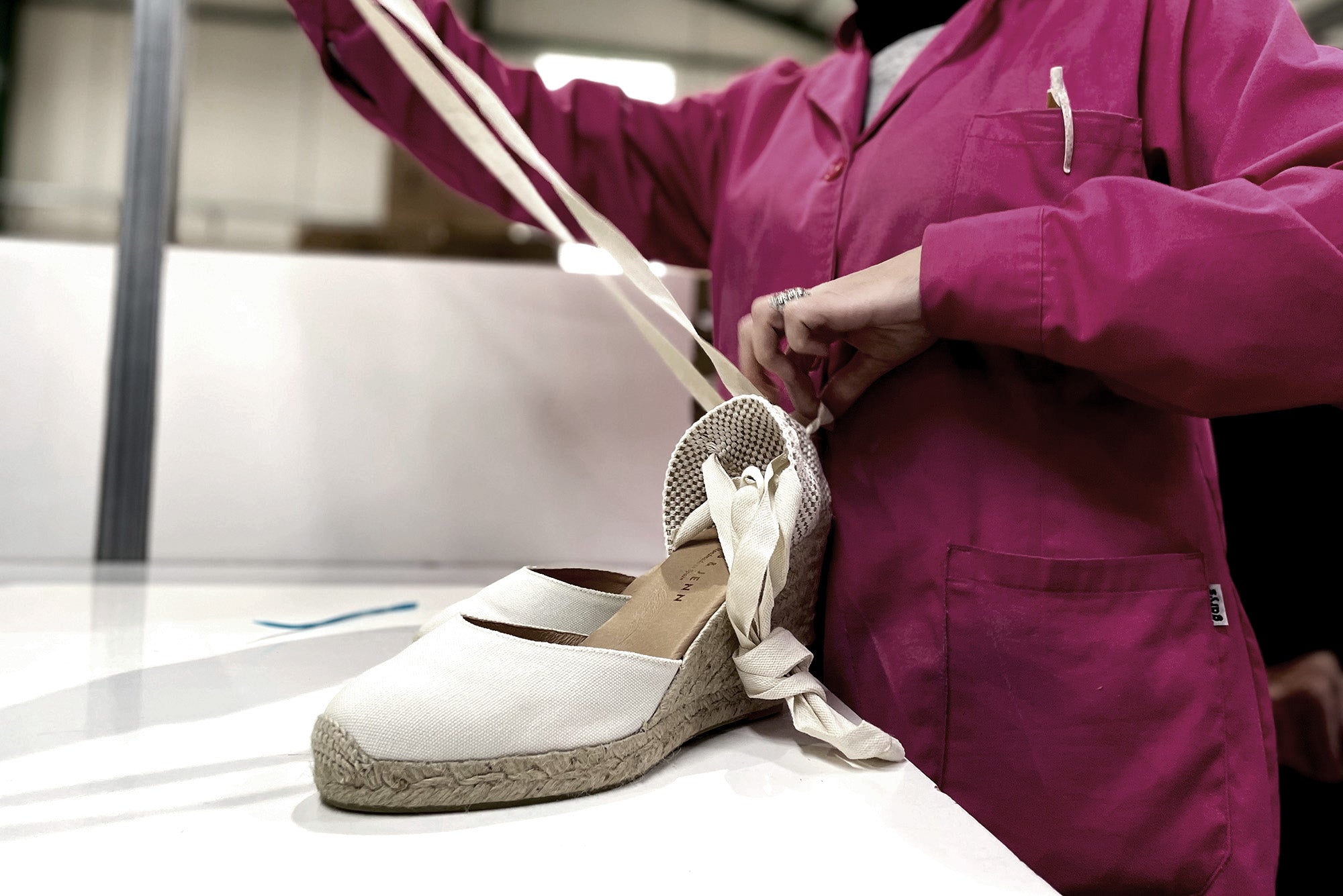
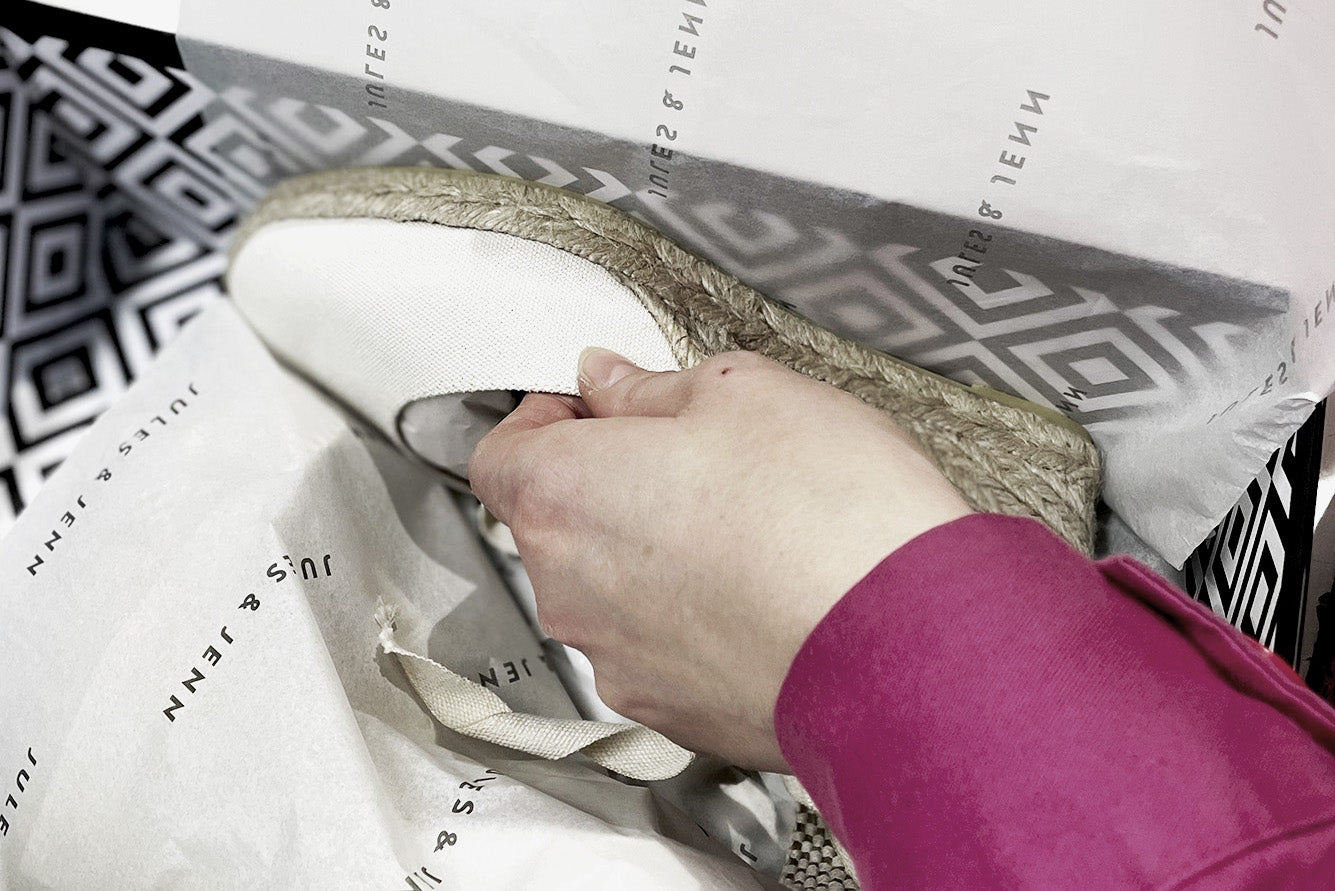
Following a methodical process, each piece of fabric is carefully cut using a bandsaw, taking into account the chosen material for optimal aesthetic results. Once cut, the fabric pieces are assembled by stitching. The sole, already assembled, is wrapped in jute and latex. After gluing the sole, the fabric is affixed to it, and the Italian-style edge stitching gives the espadrille its distinctive traditional finish. Finally, each espadrille is meticulously inspected to eliminate any imperfections before being delicately placed in its JULES & JENN box, ready to be worn with style and elegance.
At a collection point from €25
Available in 3X, 4X
100 days to try
Email, phone