



Sustainable materials

Why leather?
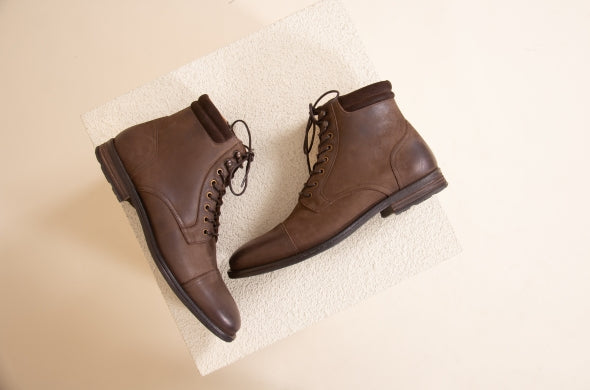
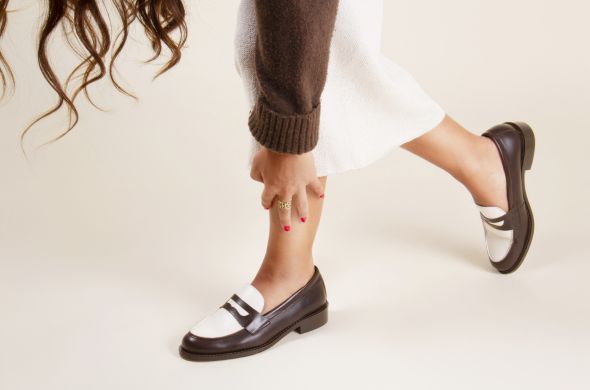
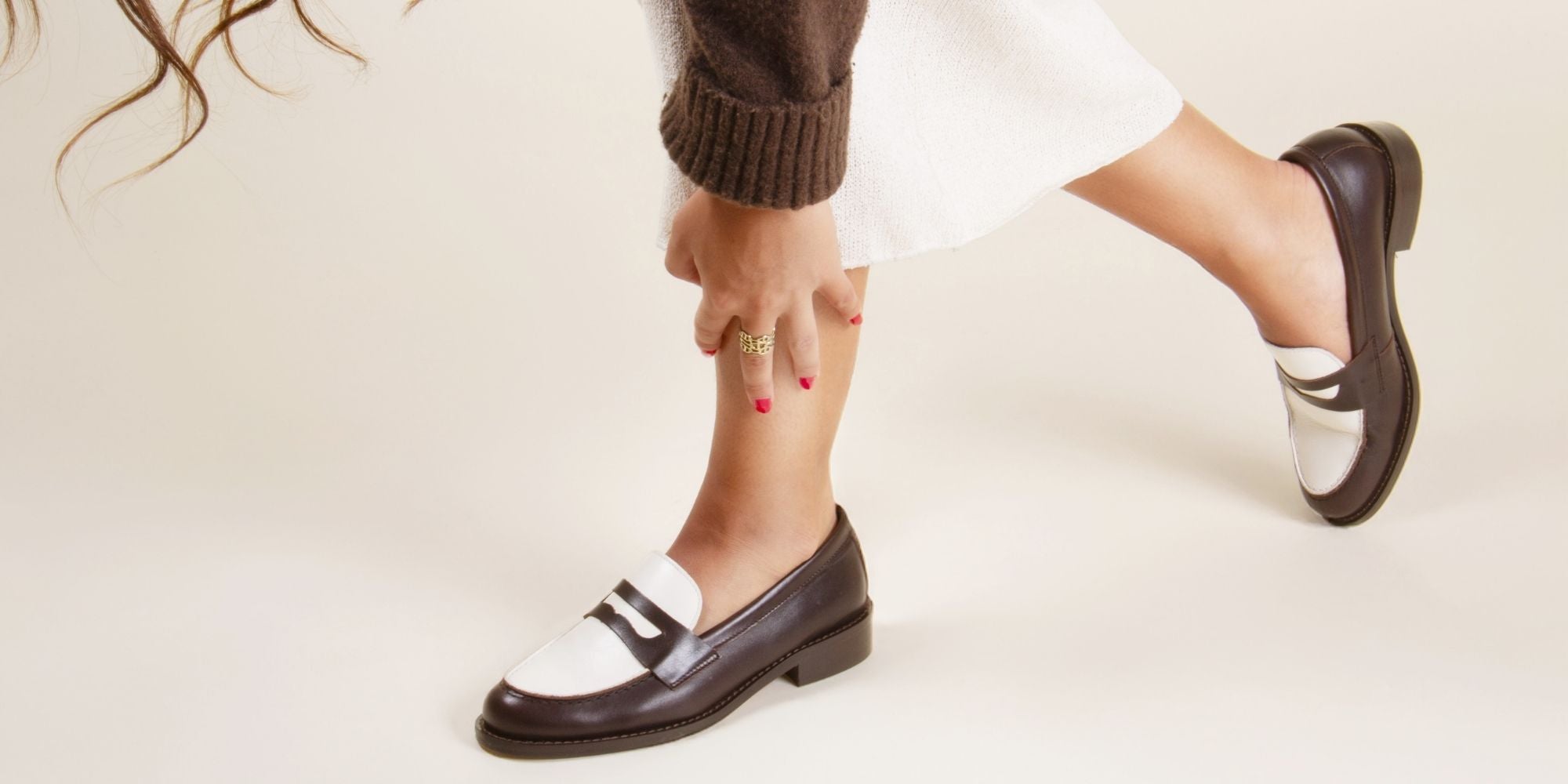
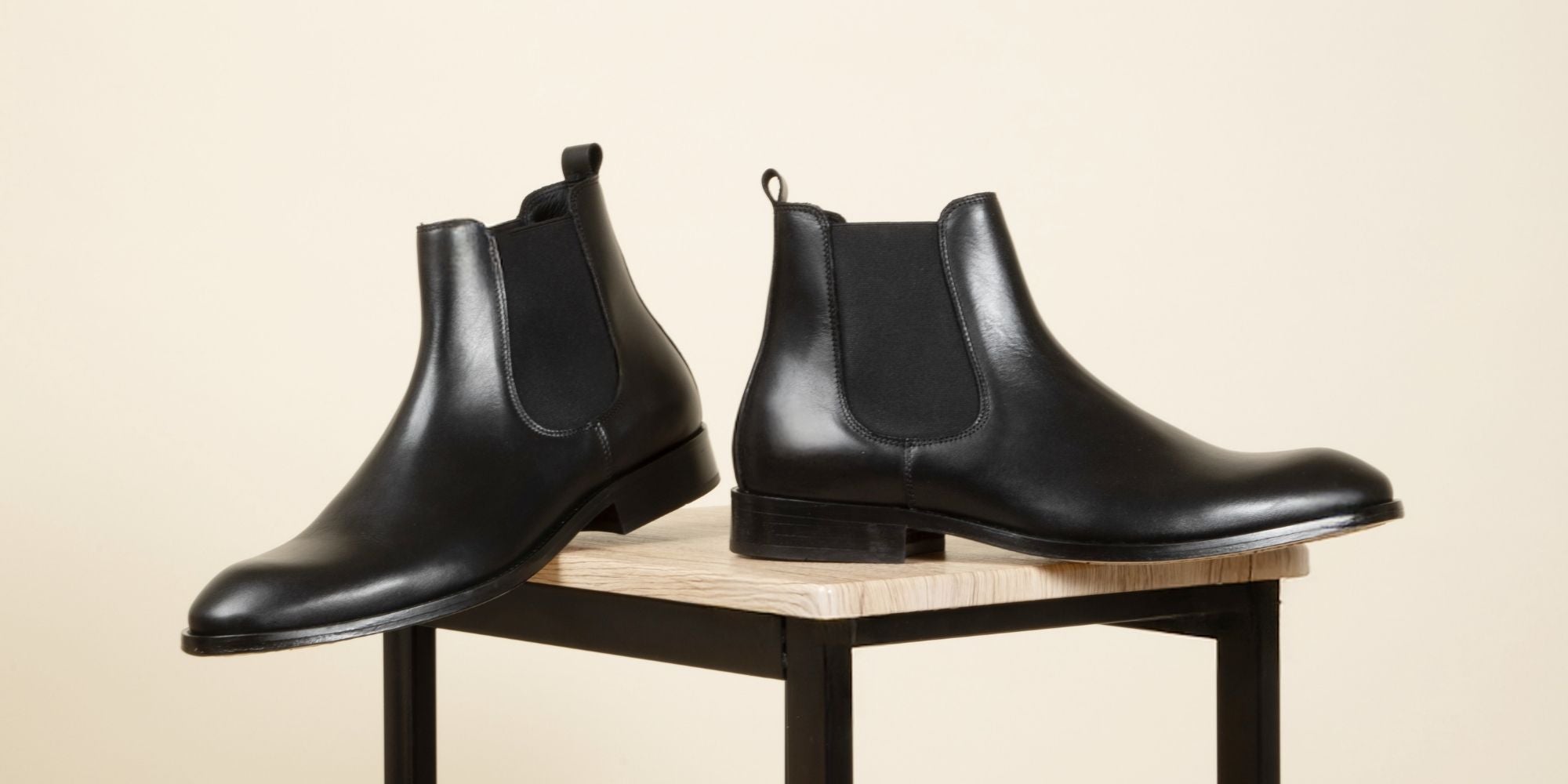
Today, the majority of our collection is made of leather. An ancestral, natural, and very robust material, leather guarantees our products a longevity superior to that of synthetic alternatives. A sustainability that makes sense: in 2020, it allowed us to avoid the emission of 491 tons of CO2e (Source: Bilan Carbone® carried out in 2021 by the GoodPlanet Foundation).
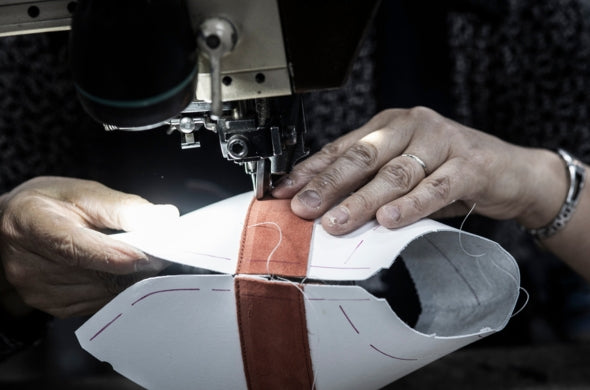
All our leather comes from the food industry, making it a valuable by-product rather than waste. We exclusively select hides from cows raised in Europe, processed in European tanneries subject to strict environmental regulations and compliant with REACH standards.
When the style of the products allows it, the leather is vegetable tanned , a more natural process, using only vegetable tannins.

Leather Working Group (LGW)
LWG certification is an international label awarded to tanneries that implement rigorous processes to minimize their environmental impact in terms of water, energy, waste and chemical management.
At JULES & JENN, choosing responsible leather means sourcing as much as possible from Leather Working Group-certified suppliers to ensure that tanneries are truly committed to sustainability. Currently, 80% of our leather products are LWG-certified , including 60% LWG Gold certification (the most demanding level), and our goal is to reach 100% by 2028.

Recycled and upcycled products
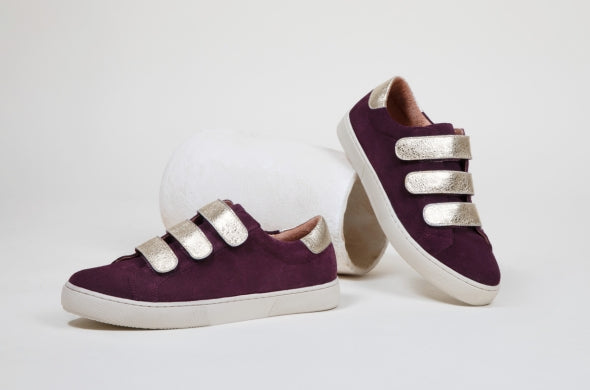
From the rubber sole of our hook-and-loop sneakers to the canvas of our French-made espadrilles , we are constantly increasing the proportion of recycled materials in our range of products.
The buckles on the belts we use are made of Zamak, which is 100% recyclable, or hypoallergenic brass.
We also offer upcycled products , keychains, cardholders, wallets and pouches, all created from leather scraps from our own leather goods production, which were originally destined for destruction.

Global Organic Textile Standard (GOTS)
The GOTS label is an international certification for organic textiles created in 2002. It ensures that the labeled fabric has been produced with a minimum of 95% certified organic fibers under dignified working conditions.
All the pouches in which our belts, small leather goods and espadrilles are slipped are GOTS certified.

Carbon Footprint
In 2021, we conducted a Carbon Footprint® in collaboration with the GoodPlanet Foundation to obtain a precise map of our carbon footprint over a year and make the appropriate decisions to reduce it. Although this is not mandatory for a small business like ours, striving to "do better" is part of our founding values, and we wanted to have a clearer idea of the impact our business has on the planet.
At a relay point from €25
Available in 3X, 4X
100 days to try
Email, phone