


Everything you need to know about made in France

In an increasingly globalized world, it's not uncommon to encounter products from all corners of the globe every day: mangoes from Brazil or clothing made in China, the choices are constantly expanding. But at what cost? Produced or grown in regions of the world where human rights and environmental standards allow for low-cost production, these products, offered at ever more competitive prices, attract consumers looking for bargains.
To meet this growing demand, many European companies have gradually relocated to these countries to remain competitive, leading to significant economic and social consequences for local industries. One of the hardest-hit sectors is the French clothing and textile industry, which has lost two-thirds of its workforce and more than half of its production in twenty years (INSEE, 2018). Faced with this situation, a heightened awareness, amplified by the COVID-19 pandemic, has emerged in recent years: driven by a desire to protect employees through French labor law, as well as to preserve and revitalize traditional local expertise, 74% of French people now say they would be willing to pay more for a "made in France" product (Ifop, September 2018).
What is "Made in France"?
Directly derived from the English translation of the phrase "Made in France," this mandatory food label allows companies to indicate the origin of their products and can be used for all types of goods. It is overseen by the DGDDI (Directorate General of Customs and Indirect Taxes), a French government agency attached to the Ministry of the Economy and responsible for regulating economic flows and border controls. To display the "Made in France" label on a product, it must either have undergone its last substantial transformation in France or derive a significant portion of its value from one or more manufacturing stages located in France. Any failure to meet these conditions will be considered misleading information about the product's origin and may therefore be subject to penalties, as stipulated by the Consumer Code.

One of the first advantages that comes to mind when we talk about products made in France is undoubtedly the environmental aspect of such consumption. Since these products haven't traveled the world to reach the French market, this results in significant savings in CO2 emissions, transportation, and therefore pollution, resulting in a product with a lower carbon footprint and thus a greater respect for the environment. At the same time, this commitment to local production allows participating companies to become key players in the short distribution chain, strengthening their connection with consumers and reducing intermediaries and waste. Finally, producing in France requires careful adherence to regulations, particularly those concerning the environment, which are much stricter than in other countries.


Recognized worldwide and associated with a unique expertise combining sustainability, craftsmanship, and quality, "Made in France" remains a guarantee of excellence. The stringent health and social standards in place assure consumers that products made in France have been manufactured under good conditions, where employee rights and environmental protection are guaranteed, unlike in many other factories around the world.

Beyond all these advantages, consuming products made in France also demonstrates a desire to participate in civic solidarity, which takes on even greater significance after the difficult period we have all experienced. By consuming products that highlight and promote French industry, we support businesses in France and thus contribute to the creation and maintenance of jobs in the country.

How to (really) consume products made in France?

The first, and seemingly simplest, indicator is on the label. Remember that simply displaying or emblazoning a French flag on the product doesn't guarantee it was made in France. To ensure it's not just a marketing ploy but a genuine commitment to transparency regarding the product's manufacturing process, take the time to read the "made in…" label, which specifies the country of origin and is mandatory.
The second point concerns price, which implies respect for labor and human rights laws in force in France. However, a word of caution: just because an ethical and responsible manufacturing process results in a high price does not mean that all high-priced products have been produced under conditions that respect the environment and human beings.
Finally, companies have other ways to highlight the origin and quality of their products through recognized labels and certifications. Among these are the French government's "Living Heritage Company" label, created in 2005 and awarded to French companies with outstanding artisanal and industrial expertise, and the "Guaranteed French Origin" certification from the Pro France association. The latter guarantees consumers the traceability of the labeled product and is awarded based on two cumulative criteria: the product must acquire its essential characteristics in France, AND between 50% and 100% of the unit cost price must be French.
This is the case, for example, with our socks made in France .

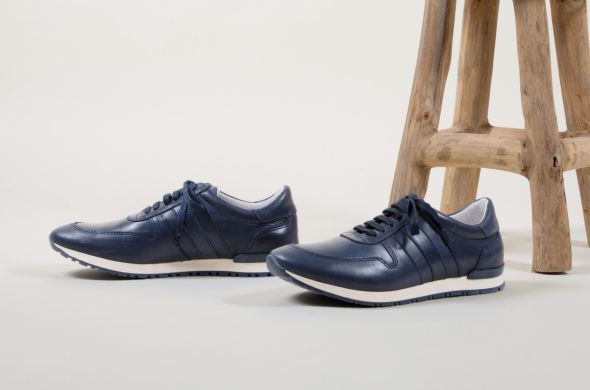
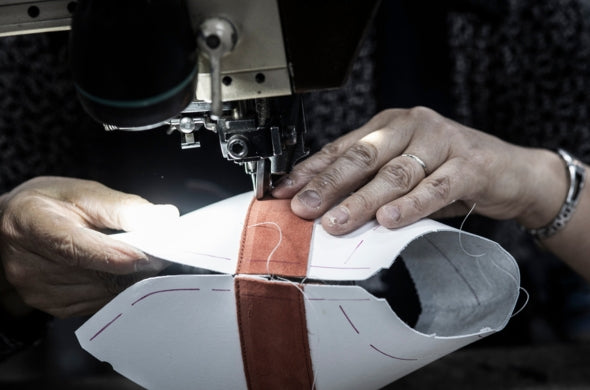
For all these reasons, we at JULES & JENN are so happy and proud to expand our range of French-made products every year, allowing you to stay stylish all year round in your slippers or espadrilles . From our belts made in the Tarn region to our sneakers entirely manufactured near Cholet, and including our high-quality leather goods , let yourself be taken on a tour of French artisans with our OFG-certified products and support French craftsmanship!