


Anti-Waste Law

What is the new anti-waste bill?
At the start of 2020, the anti-waste bill for a circular economy, after being adopted by the National Assembly, was unanimously adopted in the Senate on Thursday, January 30.
This ambitious bill aims to fundamentally transform our production and consumption habits. It aims to end the use of disposable plastics, better inform consumers about their impact on our planet, take action against planned obsolescence, and promote more sustainable products for both consumers and the planet.
And even though 2040 is the year set for the complete elimination of plastic, many restrictions have already been put in place. On January 1, 2020, the ban on cups, plates, and cotton swabs came into effect. On January 1, there will be a ban on straws, cutlery, stirrers, expanded polystyrene boxes, and many more.
Reducing waste in the textile industry...
This bill will mark a remarkable turning point, among other things, for the management of unsold goods and the fashion industry. In France, more than 630 million euros, or 600,000 tons of products, are thrown away each year.
In the fashion industry, nearly 10,000 to 20,000 tons of textile products are destroyed in France. The French government, which had already introduced several measures aimed at boosting the circular economy and reducing clothing waste, has taken radical measures in this text. Under fire, textile industry players will now have to donate or recycle their unsold products.
The measure, which comes into effect on December 31, 2021, will aim to force textile companies to find alternative solutions to the destruction of their unsold goods.

Credit: Ministry of Ecological and Inclusive Transition

Credit: Ministry of Ecological and Inclusive Transition
…But also the good management of these
The law aims to reduce business waste but also to ensure its proper management. Therefore, it will also aim to extend the responsibility of producers and manufacturers to the management of their waste. This already exists in France under the name of "extended producer responsibility," which involves involving manufacturers in the end-of-life of their waste.
This financing is particularly mandatory for textile and footwear companies through the Eco TLC sector (clothing textiles, household linen and footwear sector). However, as controls are not yet in place, many companies in the sector are still not members of Eco TLC.
And at JULES & JENN…
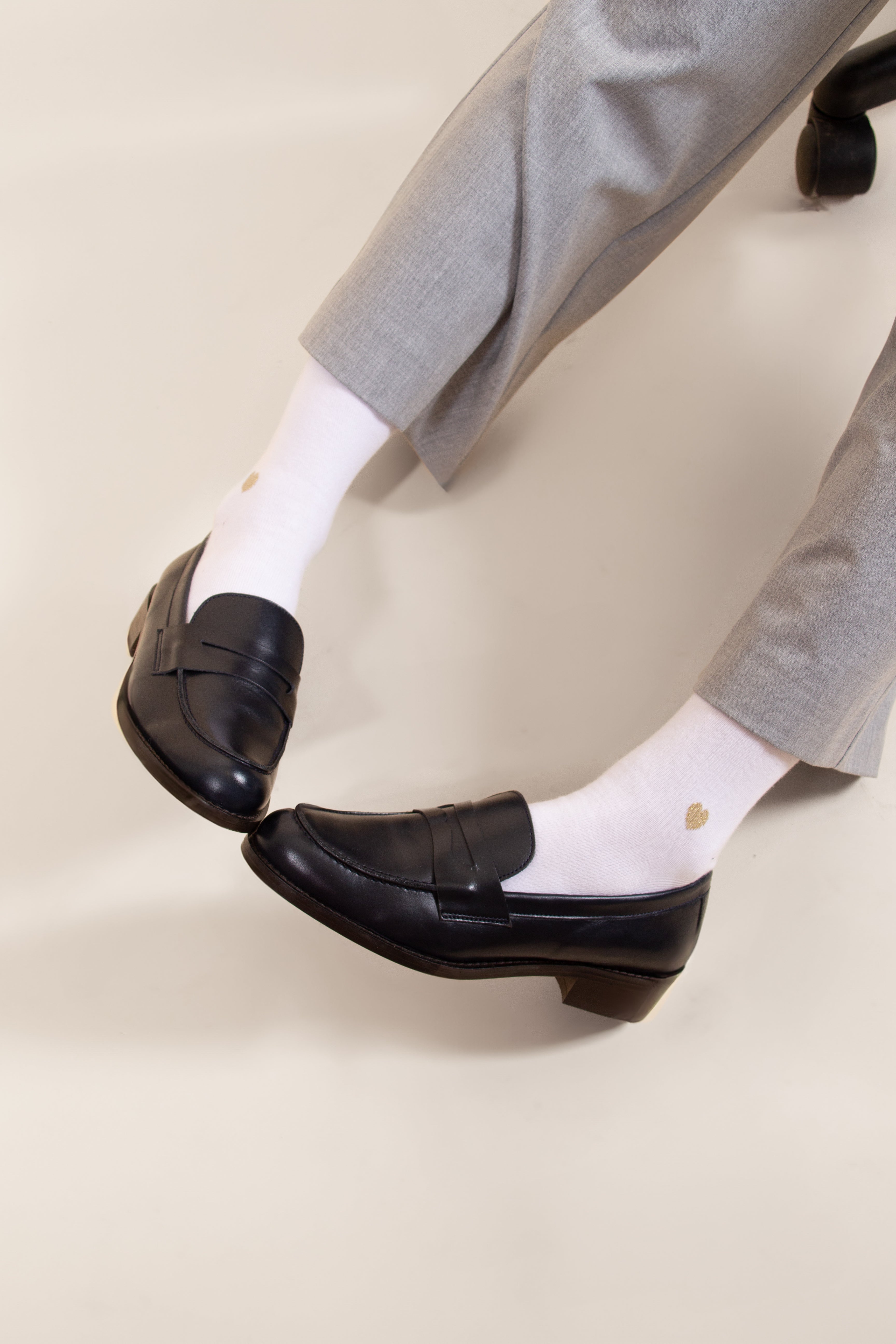
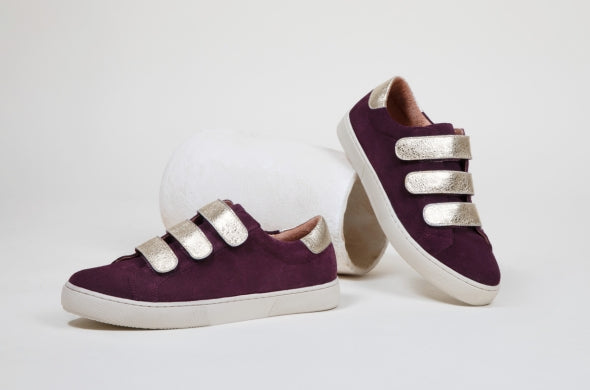
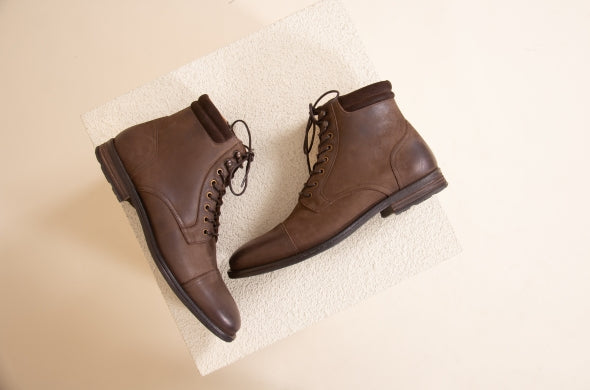
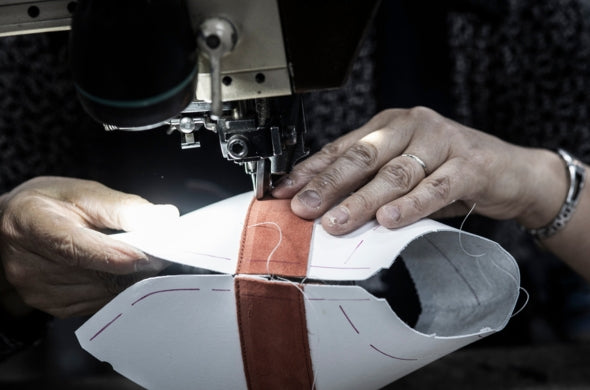
Since our creation, we have been a member of the Eco TLC sector to participate in the management and recycling of our waste. At the beginning of the year, we also launched a "Stop Plastics" project to eliminate all plastic from our packaging. With the help of our workshops, we have already reviewed and modified all the packaging of our shoes, belts, and wallets. For example, all our belts are now packaged directly at the workshop in the GOTS-certified organic cotton pouch that you receive at home. So no more plastic between the belt workshop and our warehouse!
We welcome these new regulations because fighting waste has always been an integral part of our DNA. Indeed, since the beginning of our business, we have always advocated "consume less, consume better" and have been fervent defenders of the circular economy. We make it a point of honor not to throw away our unsold items or products with minor defects.

Our New York belt for men and its GOTS-certified organic cotton pouch
Recently, we introduced you to our collaboration with the charity OXFAM France. This collaboration allows us to give a second life to our items that have a minor defect, that have been used for photo shoots, or even our prototypes. So, rather than throwing them away, we donate them to Oxfam's dressing room in Paris, the association's new boutique dedicated to responsible fashion and second-hand goods. And for all our end-of-line items that won't be restocked next year and our unsold items, since sales and the overconsumption they cause are contrary to our values, we organize Solidarity Sales instead! The products remain at the same price, but we donate 30% of our sales on these last pieces to the Mode Estime association. Yet another way to consume differently.
The last comment from Thierry, director of Oxfam's Dressing Room: "Hello Jennifer... thank you for all your beautiful shoes... our female customers are already enjoying them... the belts are also great... unfortunately our male customers were impatiently waiting for this new arrival... so we cry... in any case, a really big thank you..."
At JULES & JENN, every day, at our level, we demonstrate that another fashion is possible: responsible fashion. Find all the details of our approach, in complete transparency, on our project and to learn more about all the measures of this new Anti-Waste bill, we invite you to read the new bill.