Fashion Revolution

The Fashion Revolution: an annual event not to be missed!

Fashion Revolution: Why?
On April 24, 2013, the Rana Plaza building—a garment factory in Bangladesh—collapsed, trapping thousands of workers inside after they had been evacuated the day before due to cracks in the walls. That same morning, the factory owners had forced the employees to return to work or face dismissal without pay. The collapse left 1,133 dead and more than 2,500 injured.
A tragedy far from unique in the textile sector... But the media repercussions have made Rana Plaza an icon of awareness of the harsh conditions prevailing in the garment factories of major international fast fashion brands.

It was in particular following this tragedy that the Fashion Revolution movement was born, initiated by Carry Somers, Lucy Siegel and Livia Firth, in order to annually relaunch discussions on the role of ethics in the fashion industry.
Every year, the fight grows stronger to encourage consumers around the world to question brands and manufacturers in the fashion industry about the origin of the clothes they buy.

Fashion Revolution has chosen April 24th as its international day, the anniversary of the Rana Plaza tragedy. It is not only about paying tribute to the workers who died in the Rana Plaza tragedy, but also about trying to change the inhumane situation that many workers in the fashion industry still face around the world.
Indeed, there are still subcontractors for large American and European fast-fashion companies whose working conditions are close to exploitation. If we don't take action against this situation, disasters like the Rana Plaza disaster will inevitably recur.
What is the Fashion Revolution?
Fashion Revolution Week is a week specially organized to encourage major fashion brands to be more transparent and take responsibility for their textile manufacturing. The goal? To raise awareness among consumers, professionals, and public authorities about the flaws in the fashion industry and to force major brands to make clothing traceability public by encouraging 100% transparency on the manufacturing conditions in the textile industry, from the raw material grower to the distributor!
When buying clothing, take the time to ask yourself the right questions: Who made your clothes? Are people likely to have been exploited to make that cheap T-shirt you're wearing? This is the type of information about the textile production chain that the Fashion Revolution collective would like to make mandatory on all labels.

You too, join the movement!
Originally, Fashion Revolution Day was celebrated, as its name suggests, on April 24. But in 2016, consumers went further and decided to continue the fight for an entire week.
Join the movement! Now more than ever, it's time to take action and demand transparency! Fashion Revolution Week is the best way to discover the faces of the manufacturers and producers behind the clothes you wear every day.
Since its inception, numerous actions have been organized around the world, so that as many people as possible can take part in the movement! On the program: conferences, workshops, creative and "Do It Yourself" activities to give clothes a new lease of life; information on choosing fairer and more responsible consumption, and many other surprises!
JULES & JENN and the Fashion Revolution
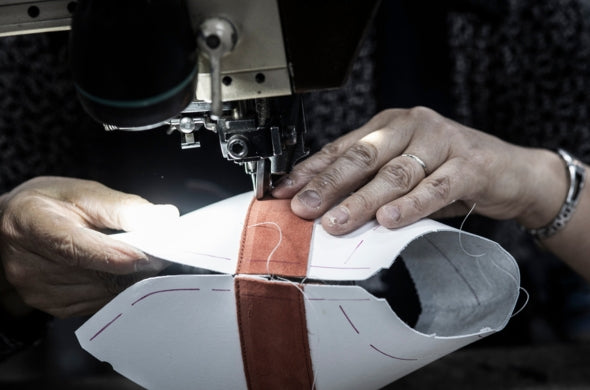
At JULES & JENN , we fully embrace this movement! Our concept based on transparency – from the disclosure of our manufacturing & service costs to the way our artisans evolve in the workshops , located in Europe – is completely in line with the Fashion Revolution approach.
JULES & JENN is a 100% digital, short-circuit fashion brand, working without intermediaries to give you access to quality products at the best price. To convince you, we share all of our costs for each of them!