

Minimalism

"Mass society is perhaps even more serious, not because of the masses themselves, but because this society is essentially a consumer society, where leisure time is no longer used to improve oneself or to acquire a better social position, but to consume more and more," said the philosopher and journalist Hannah Arendt in 1961.
Minimalism, originally, is a contemporary art movement that emerged in the 1960s in the United States, based on neutrality and simplicity, notably in opposition to Pop Art. Artists embracing this movement, such as painters Frank Stella and Ad Reinhardt with his famous "Black Square on a White Background," subscribe to the "Less is More" doctrine later championed by the minimalist architect Mies van der Rohe. It is precisely this famous idea of "Less is More" that is making a major comeback today and attracting more and more followers each year.

Why minimalism today?
Minimalism thus corresponds to the desire to simplify one's life and be happier by focusing on the essentials and getting rid of the superfluous. Yet, this notion seems to run counter to the foundations of our current consumer society, which has its roots in the post-war boom, when economic growth went hand in hand with abundance and a rising standard of living. Indeed, following the period of great restriction and insecurity that was the Second World War, during which rationing reigned supreme, the logical and immediate response was to overconsume, in order to fill the void and the lack experienced previously, and thus better reject them.
This overabundance and fear of scarcity, fueled by the purchase of ever more objects, is now being challenged by the social and environmental concerns we face. Indeed, we must therefore question the relevance of such a lifestyle, which is unsustainable for both humanity and the Earth, and ask ourselves whether the possession of material goods truly makes us happier, as promised by the advertisements we encounter daily.
Minimalism in fashion
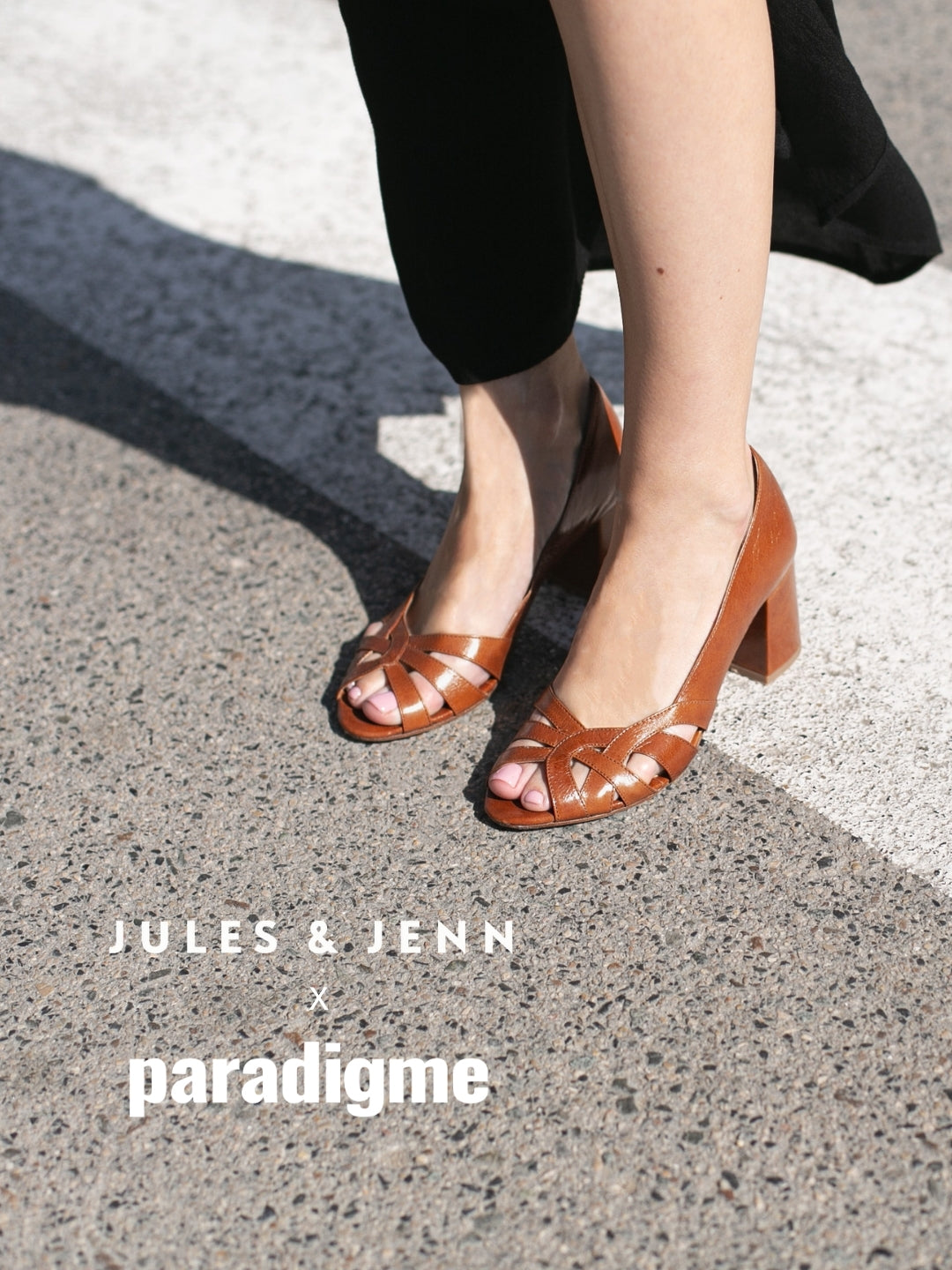
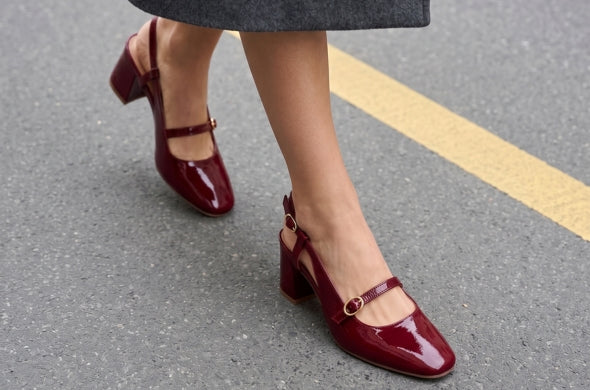
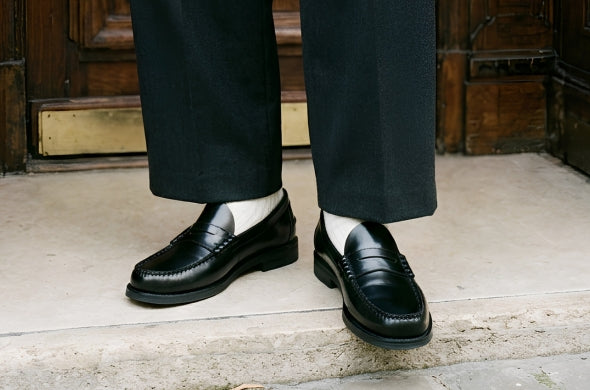
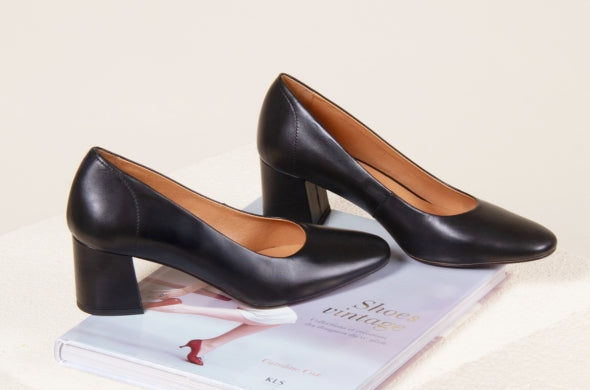
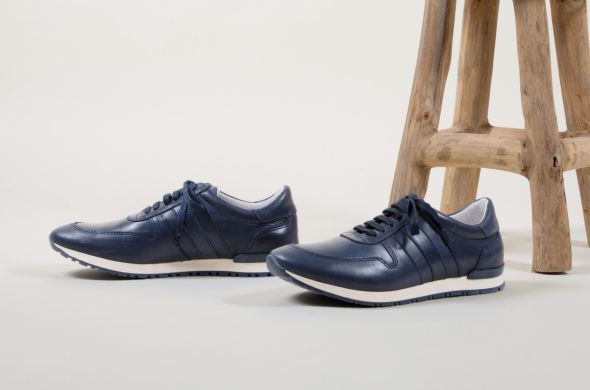
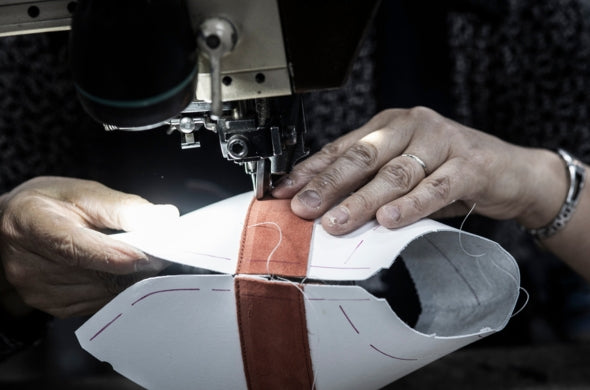
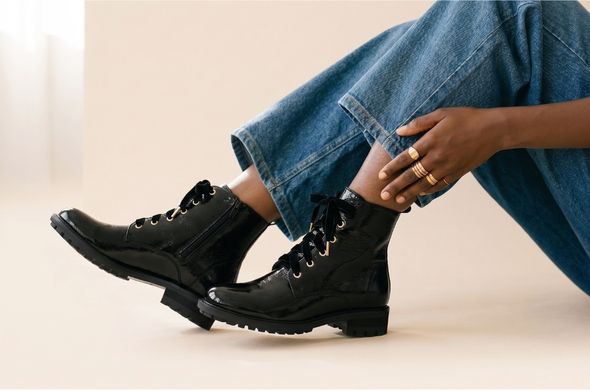
“Consume less, consume better”: this credo, which is at the heart of our company's creation, allows us to ask the right questions in order to move, contrary to the current trend, towards reasoned and reasonable consumption. In an era of compulsive buying of products we don't always need and that we will use little or perhaps not at all, minimalism allows us to focus on a simpler lifestyle, where quality takes precedence over quantity. Easier said than done in a world where we are constantly encouraged to consume more and more, the goal then becomes owning a minimum of goods, but goods that are truly useful to us. This lifestyle can be applied to various areas such as home decor, but also to fashion. For Susie Faux, the clothing designer who popularized this term in the 1970s, the idea is to buy less but to buy essential and timeless pieces, to wear and re-wear according to the seasons. This timeless wardrobe, both in style and quality, transcends fleeting trends, allowing everyone to embrace meaningful fashion. The goal is to choose accessories with classic, clean lines, crafted from high-quality materials to last for years. From ankle boots and handbags to belts , the key is to invest in versatile, durable pieces in colors that will perfectly complement your existing wardrobe. By embracing simplicity and quality fabrics, the minimalist style allows you to achieve a refined, elegant, and timeless look with the help of enduring basics.

Because more than 7,500 liters of water are needed to make a single pair of jeans, equivalent to the water a man drinks for seven years (United Nations, 2019), and because most clothing now comes from Bangladesh, where the hourly wage is €0.27 (the lowest in the world), it's high time we asked ourselves some questions. By taking the time to choose and invest in pieces with the expectation that they will become wardrobe staples, pieces we'll enjoy wearing again and again each season, we avoid fueling the vicious cycle of fast fashion.
The idea is not to stop buying clothes, but to consume differently, consciously, by turning to eco-responsible alternatives, considering the purchase as an investment, which we will take care of in order to wear it for years.


Beyond the undeniable environmental benefits, reducing the amount of possessions we own also seems closely linked to personal well-being. This connection between well-being and decluttering is notably highlighted by Marie Kondo, the Japanese essayist made famous by her "KonMari" method, illustrated in the book The Life-Changing Magic of Tidying Up . By eliminating the superfluous, we free ourselves from what clutters our lives, allowing us to better focus on what truly brings us joy.
Joshua Fields Millburn, co-founder of Theminimalists.com, stated in a TEDx talk that this experience allowed him to learn "that by simplifying my life, I had time to take care of my health, my friends, my money, my passions, that I could focus on myself in a meaningful way."
Therefore, it is important to understand that minimalism is not "living with nothing" but "living better with less", by questioning one's consumption and prioritizing quality pieces, which one hopes to keep as long as possible.