Meeting with Marie, coordinator at Mode Estime

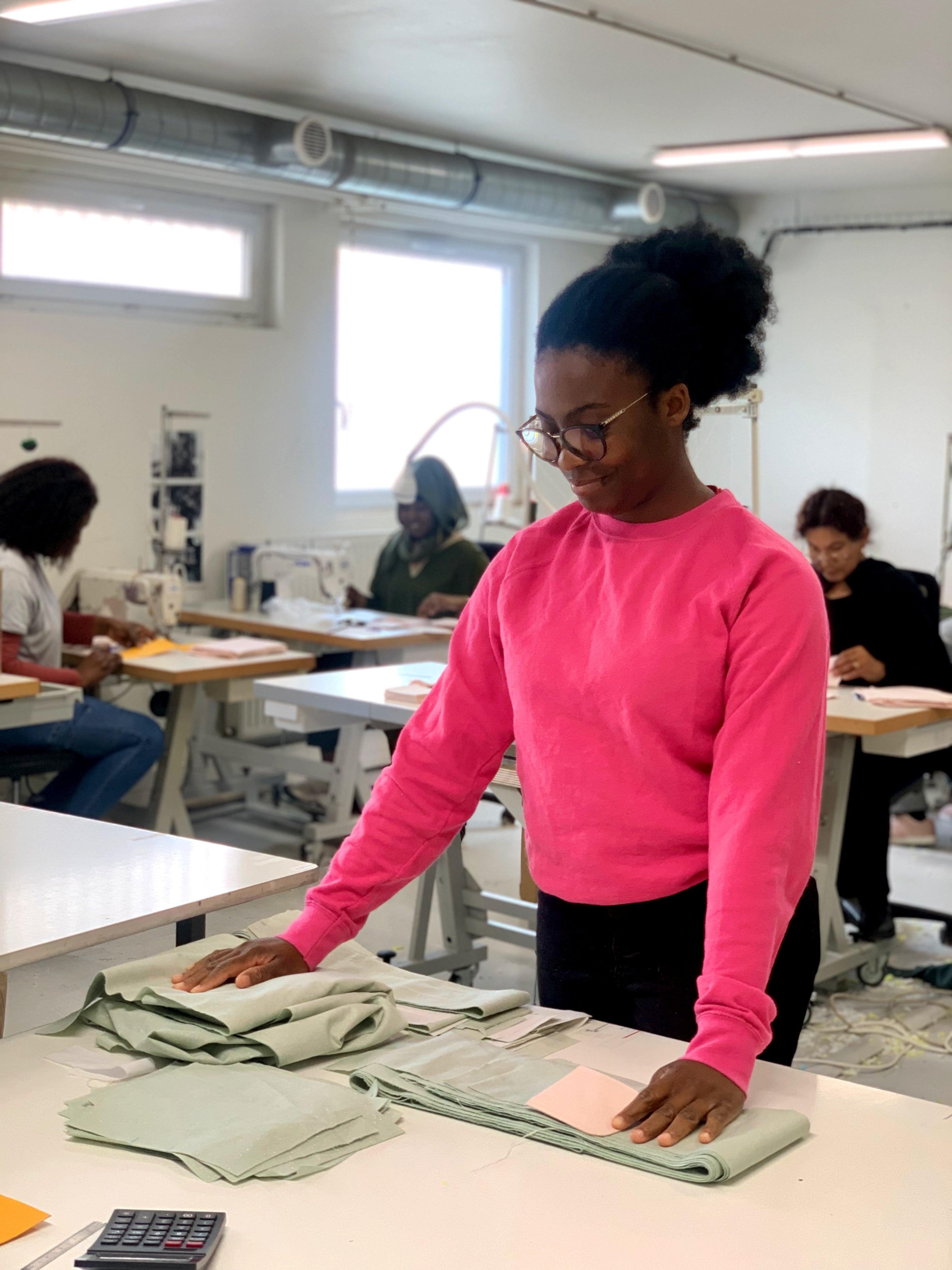
Marie Saudin, hello. You are the "Integration Coordinator - Support and Projects" at MODE ESTIME, a "sewing-based integration" workshop in Seine-Saint-Denis, in the Paris region. Its mission is to restore self-esteem, through fashion, to vulnerable people.
At JULES & JENN, we know your workshop very well as we have been collaborating with you since 2019, but how would you explain the project to someone who has never heard of you?
I would say that Mode Estime is an association that uses the activity of textile manufacturing as a pretext for the social and professional integration of people in difficulty, particularly people far removed from employment and/or living with disabilities.
Who can join the Mode Estime workshop?
These are individuals referred by associations, social workers, and employment counselors. They generally haven't worked for several months, or even years, or have never had any experience in France. Above all, they need support and guidance to acquire professional skills. This may involve access to training before employment, as we are working with people who have few or no qualifications or diplomas. Currently, 15 employees (of nearly 10 different nationalities) are working on Île Saint-Denis.

Photo credit © Mode Estime
What do the workshop employees make?
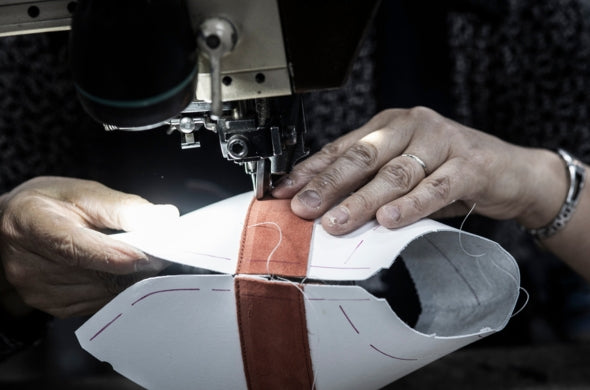
It's quite varied, but it's mainly textiles and home linens: cushions, throws, and so on. We also make clothing, but rather specific pieces that require more advanced techniques. In these cases, not everyone in the workshop can make them, as we accept all skill levels, even beginners. The aim is to help everyone progress, according to their individual skill level when they arrive.
We also work in upcycling: many small designers call on us when they want to transform used materials or scraps into new items, like new garments. We've worked with advertising banners to make recycled poufs (for our client La Tête Dans Les Nuages), t-shirts made from old t-shirts, bloomers, and so on. More recently, we've also worked on larger-scale projects, such as the French Football Federation (FFF) recycling all their one-star jerseys into hospital gowns, and their promotional banners into pencil cases for students in their football clubs. Even luxury brands are calling on us, especially since the 2020 anti-waste law.
What are you most proud of since joining the association?
I've always worked with people facing social difficulties, but it's true that with this project, my greatest pride is this renewed confidence through professional integration. These are people who have been marked by hardship in their lives, who don't necessarily meet the market's requirements in terms of qualifications, experience, or integration, and the sewing activity produces almost immediate results; they quickly become proud of themselves! So, my pride ultimately comes from seeing people regain their confidence! We organize activities that showcase their skills: we teach them techniques and we hold workshops where they demonstrate these skills to the general public and to beginners who want to learn to sew. And there, you really feel their pride in their abilities, their desire to share their knowledge, their self-assurance, and it's so beautiful to see.

Photo credit © Mode Estime
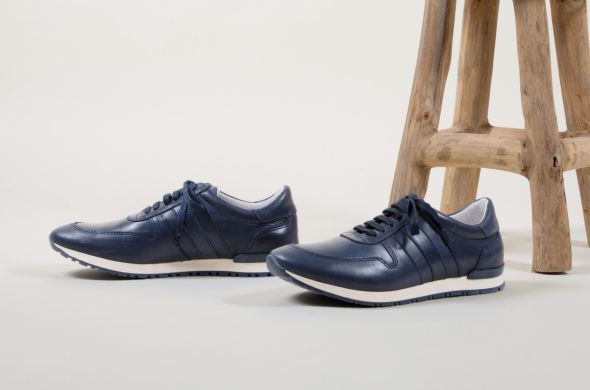
At JULES & JENN, instead of having sales, we've implemented "Solidarity Sales and End-of-Line Sales": this means we've created a "Last Pieces" category on our e-shop featuring items that won't be restocked. Rather than drastically reducing prices, we sell them at a more accessible price, and 100% of the profits are donated to your charity. Could you explain to our customers how you use or reinvest these donations?
A workshop like ours certainly receives subsidies, but it still has a business to run and a revenue to generate. This involves production time, but also, to carry out all the activities I mentioned, unproductive time that isn't funded. So, it's this time that JULES & JENN fully supports us: it allows us to consider other initiatives that reinforce our values and our support programs, always aimed at our employees. This includes technical training as well as more targeted training, such as language skills (not everyone is fluent in French) or developing their own skills, and then product development for our own upcycling brand, Mode Estime.
And what are your association's plans for 2022?
To further develop our upcycling services and meet the demand from the designers who work with us, we plan to open another workshop in Épinay. Starting in February, we will be moving into a unique space (the renovated Épinay RER station) shared with eco-artisans and eco-designers who will be focusing on reuse. The idea is to offer a six-person design office and a new service: pattern making and prototyping for small and medium production runs. The goal is to thoroughly develop these material recovery projects for all the businesses and organizations interested in reducing textile waste.

Photo credit © Mode Estime
2022 is also a time for us to connect with workshops that want to train people in specific techniques, such as pattern cutting. We will therefore be focusing on training in the textile industry, given the growing demand for skilled labor following the relocation of production and the resurgence of "Made in France." Finally, in parallel, our director is also working on the issue of disability and accessible fashion. She is trying to find solutions to make this type of fashion accessible to people who currently lack it. This project has remained essential since the creation of Mode Estime, and we hope to develop it further in the coming years.
Thank you Marie for your fight and for this desire to make fashion, self-esteem and solidarity rhyme!