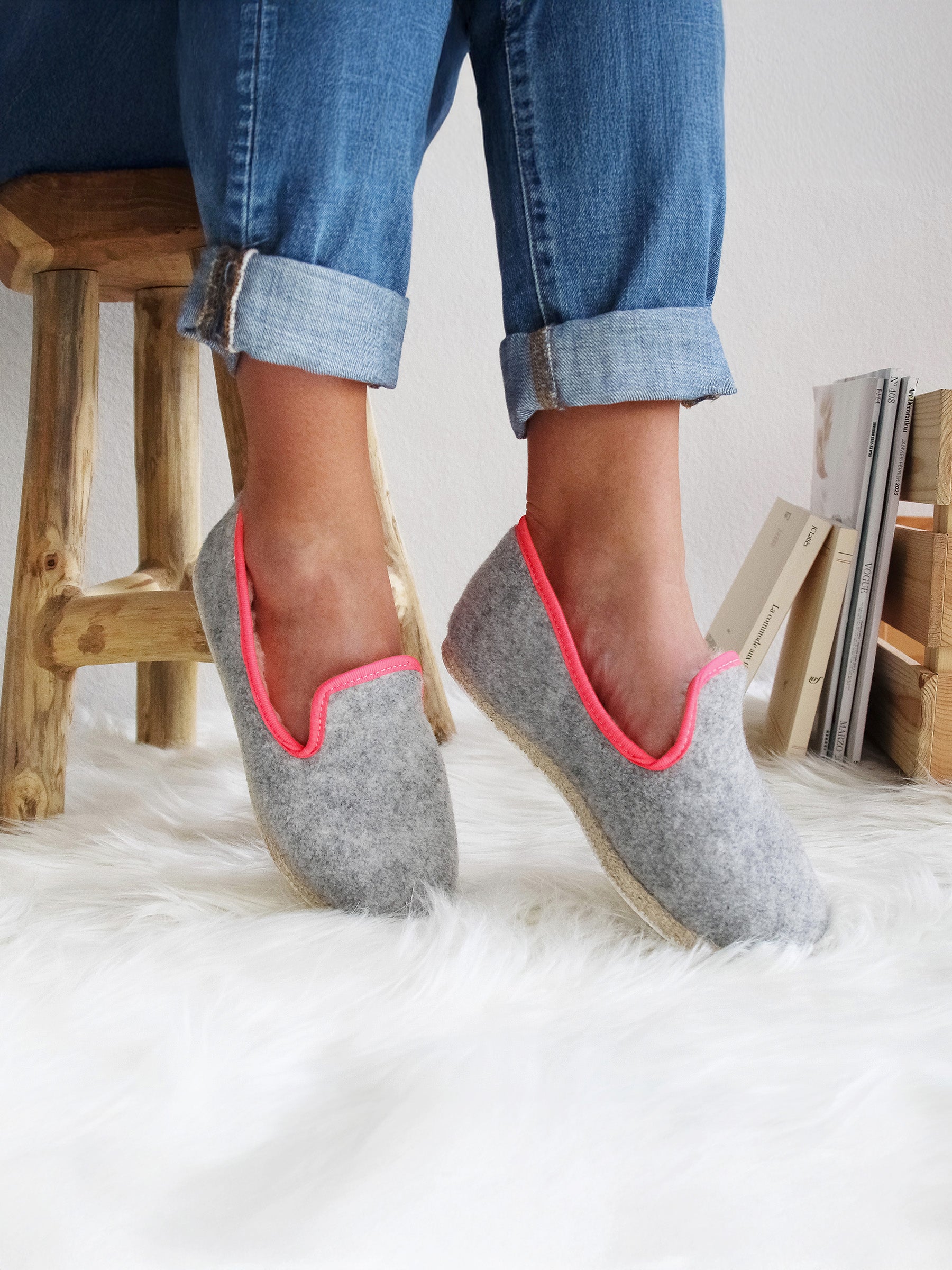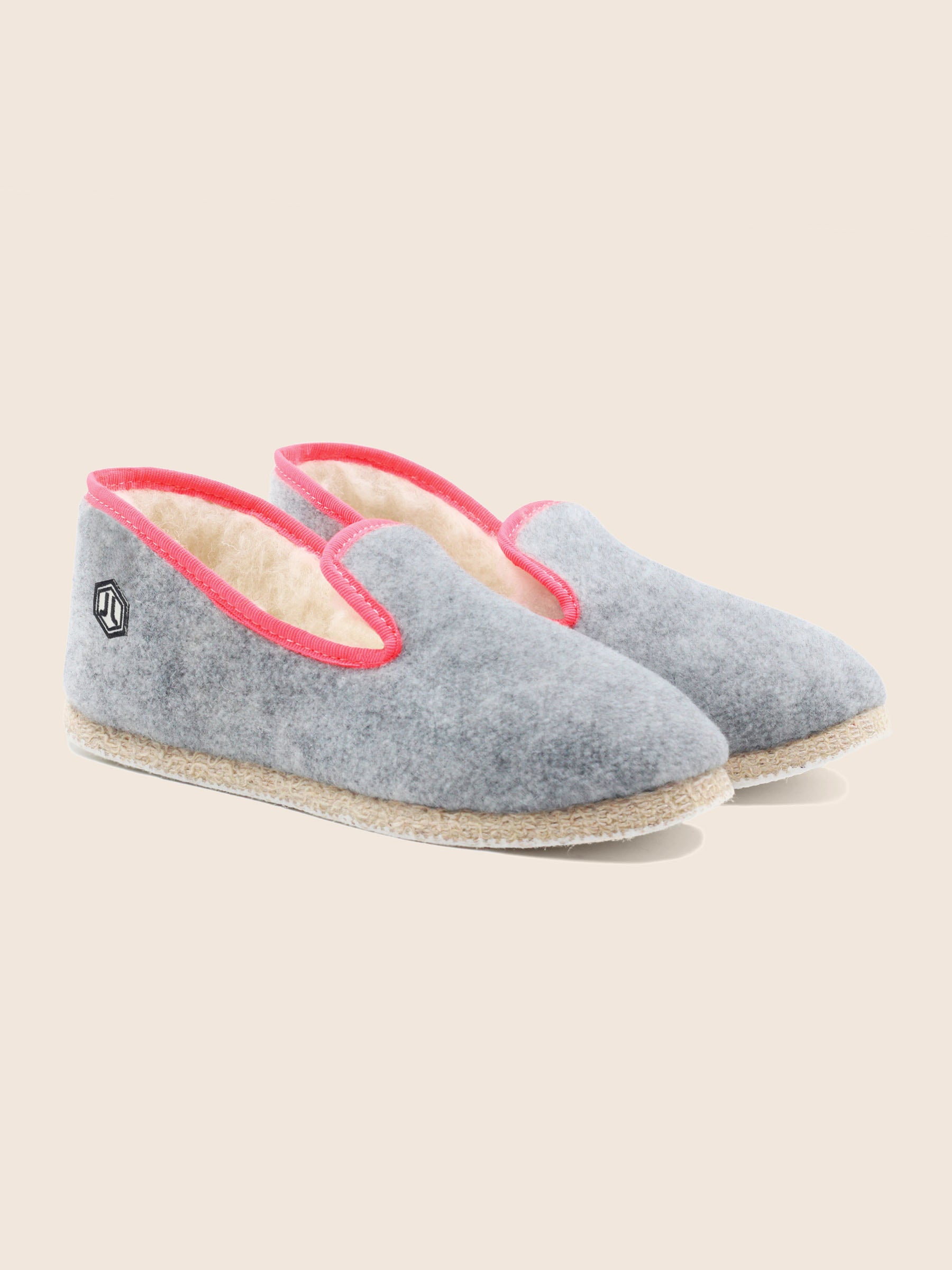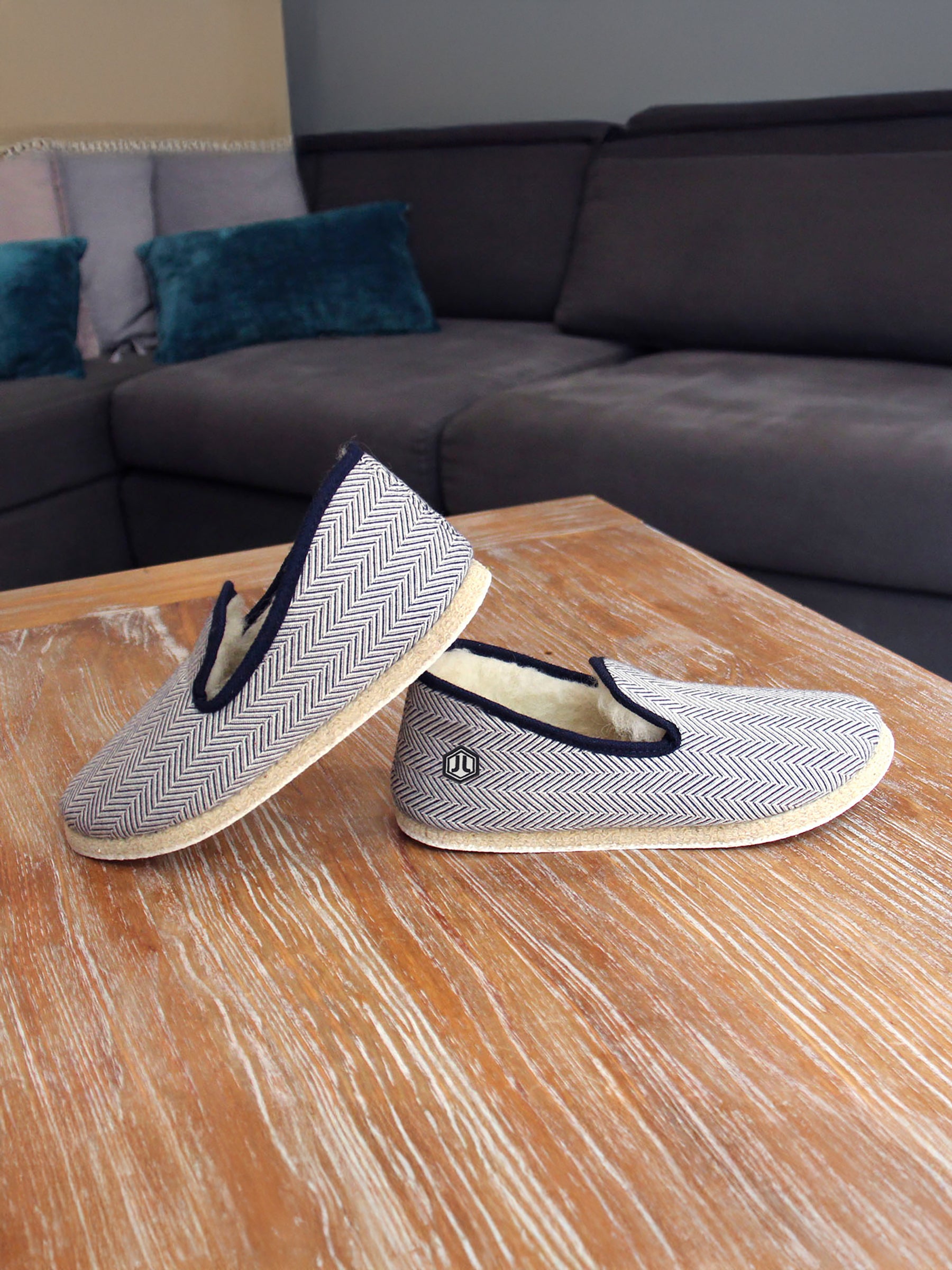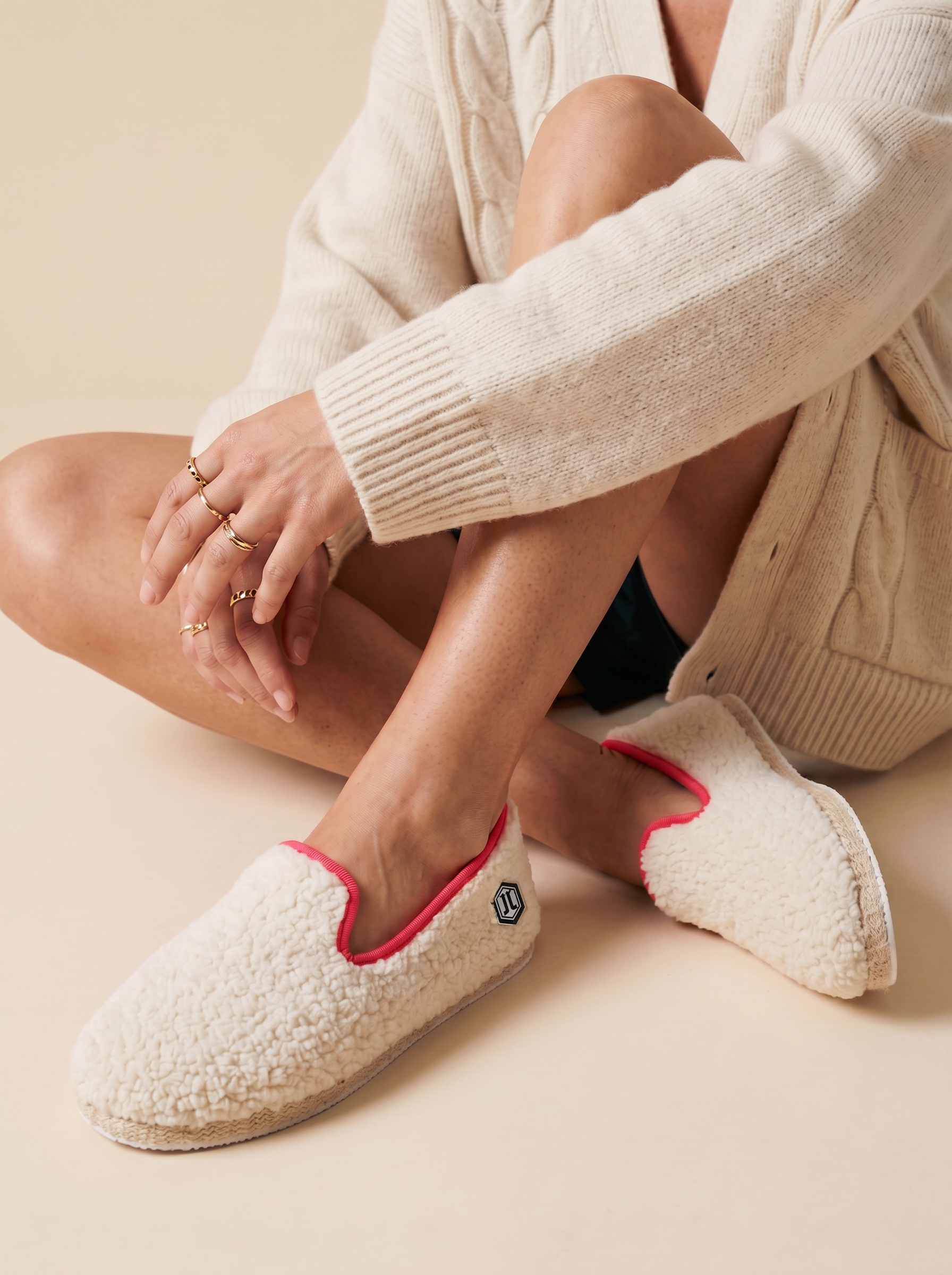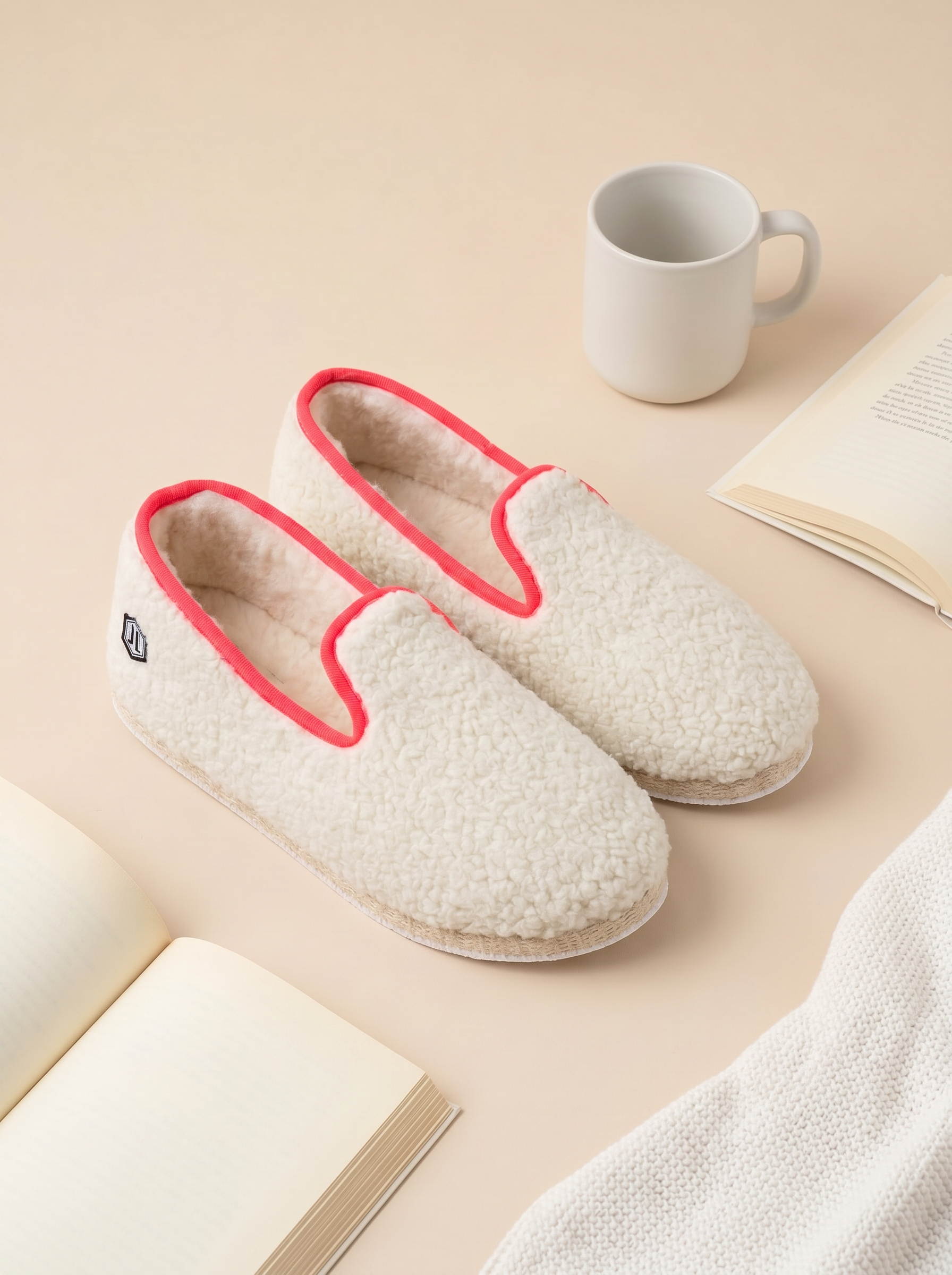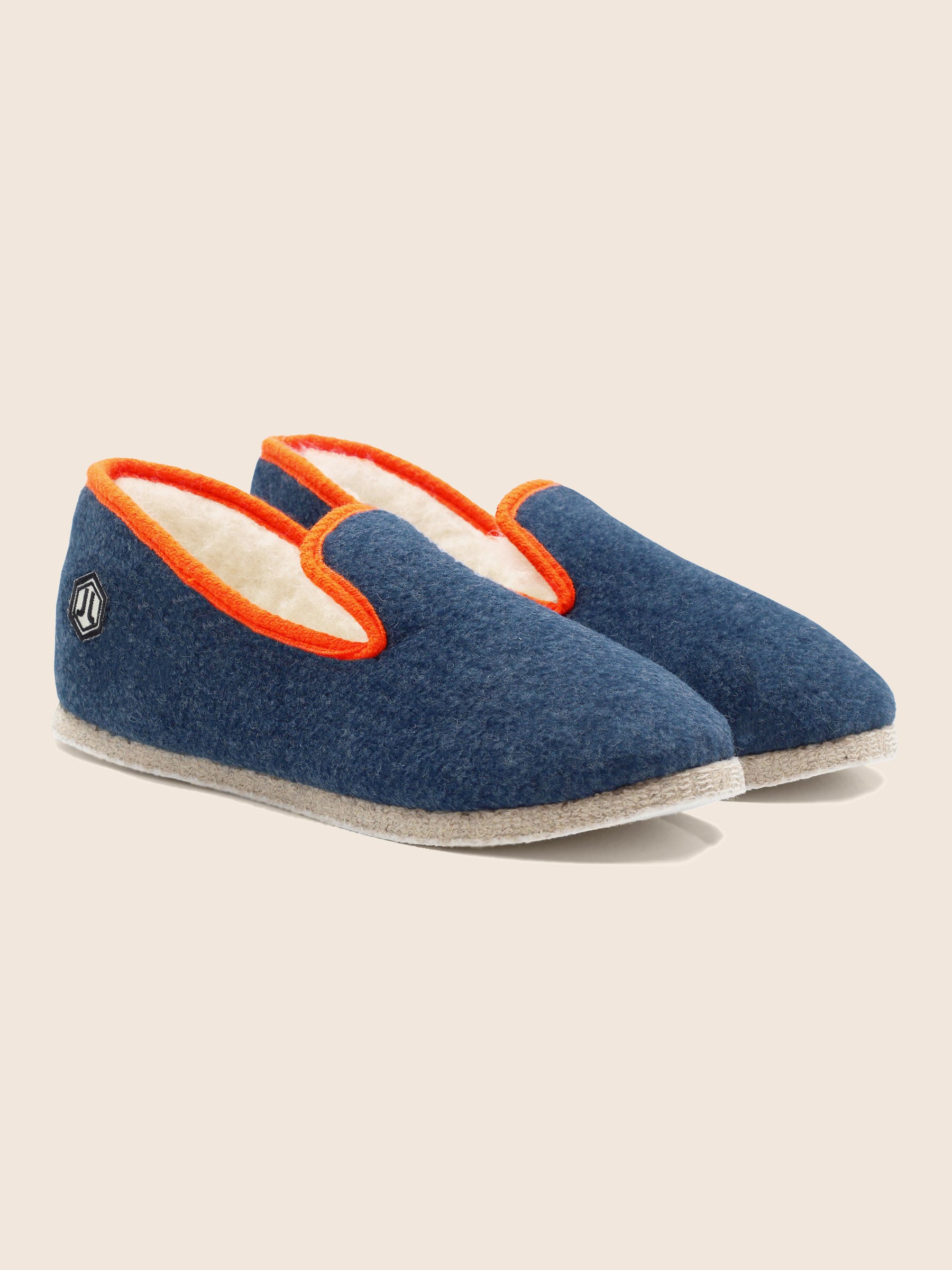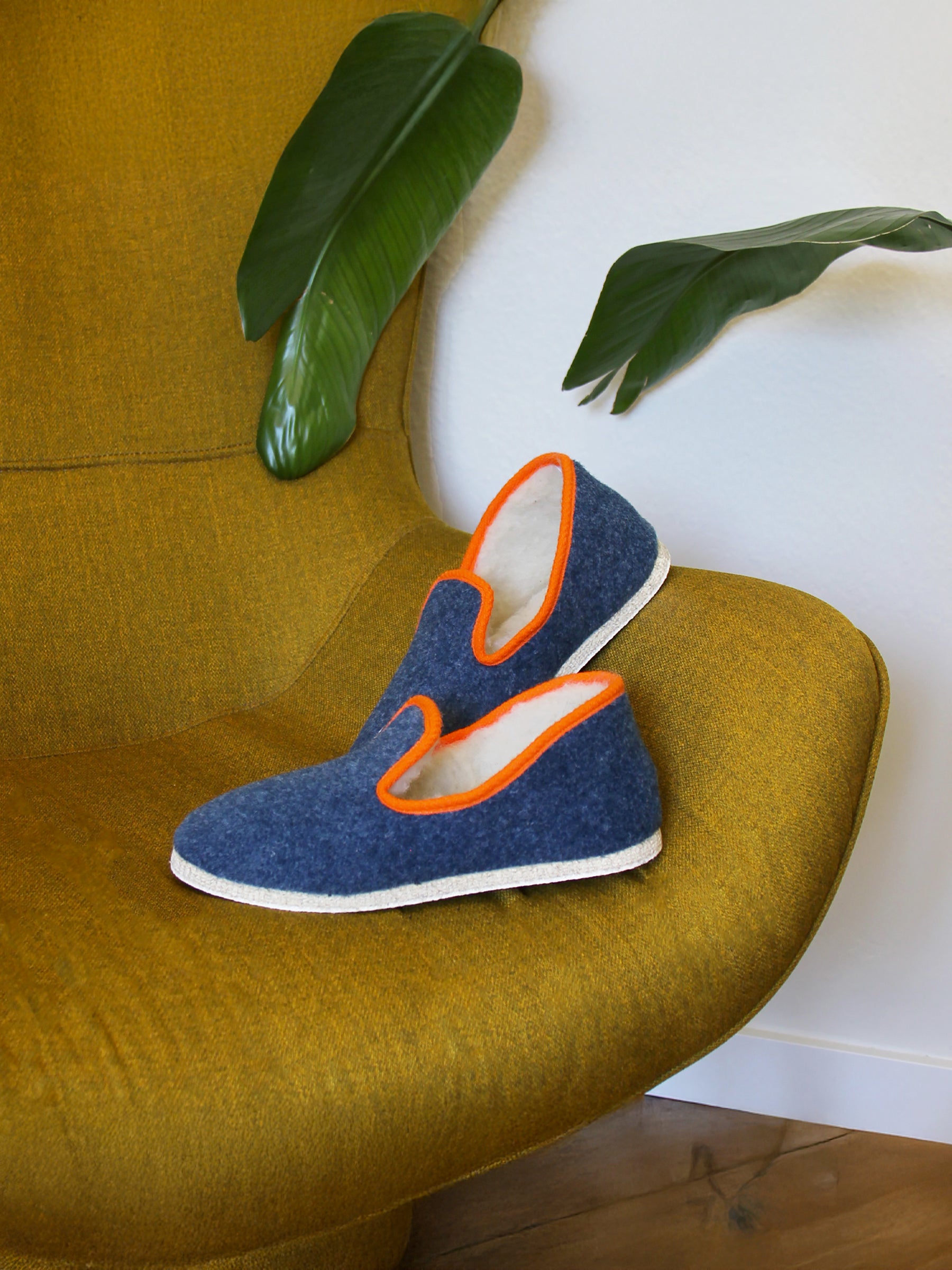



The charentaise, quite a story…

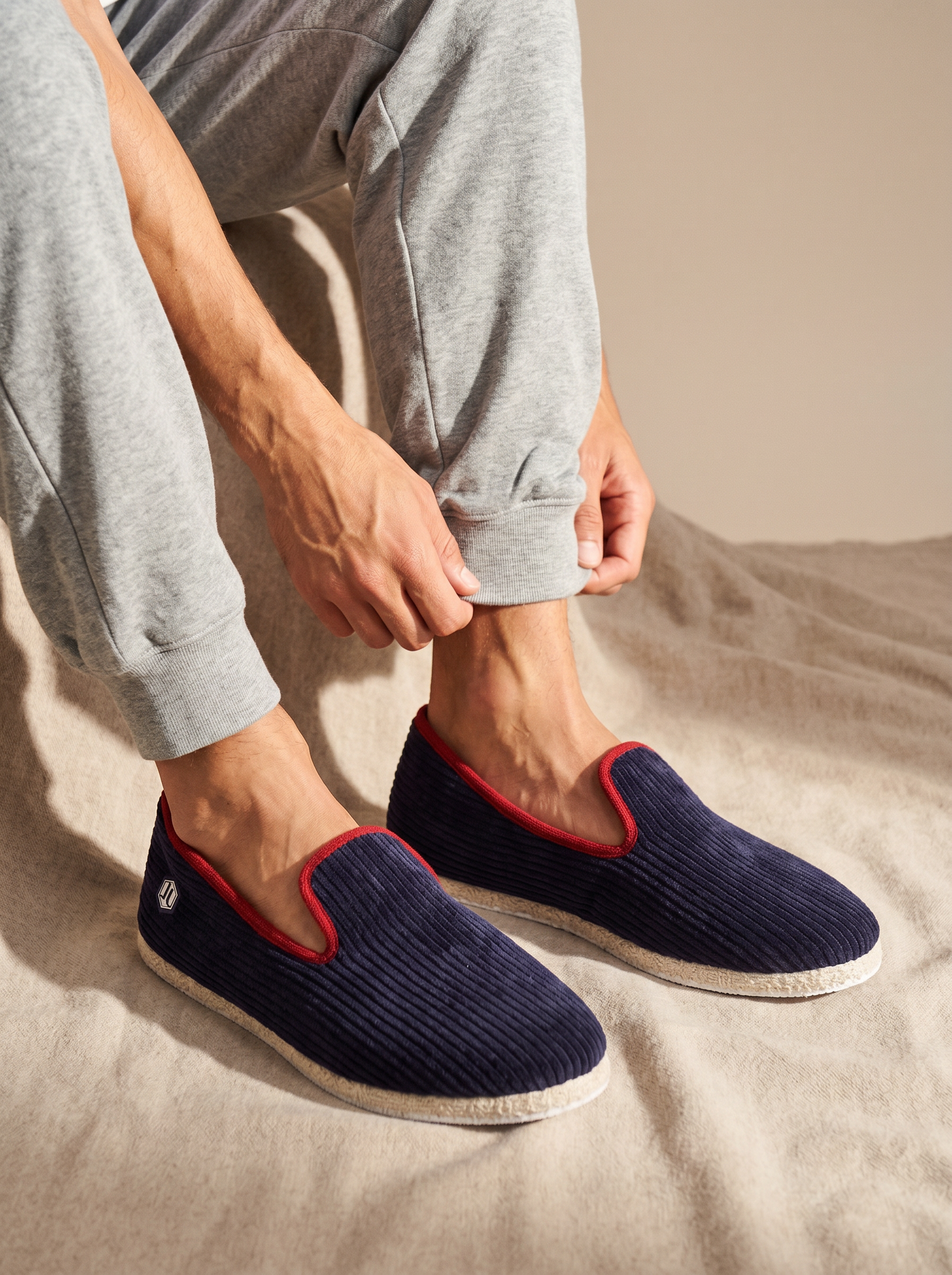
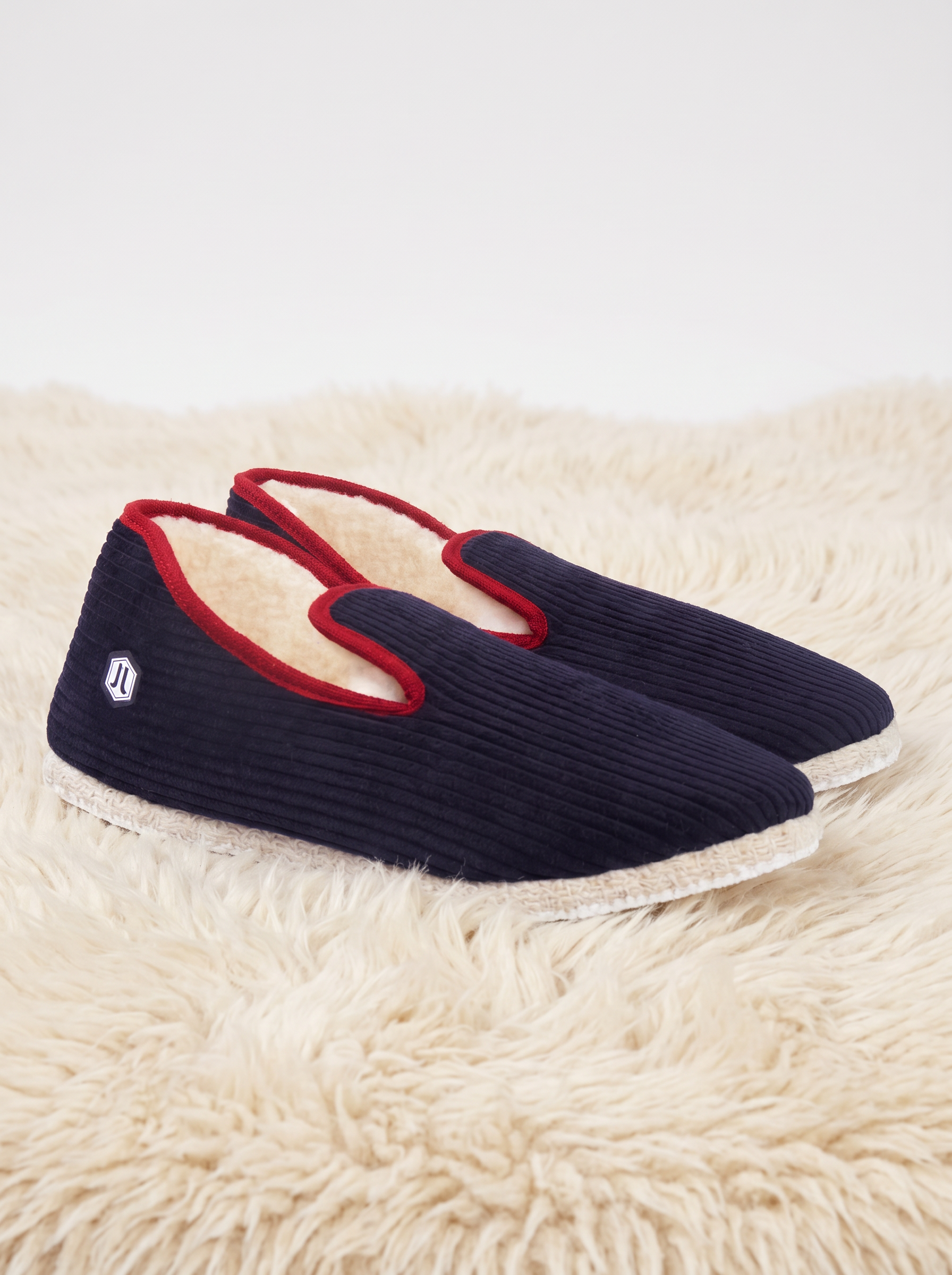
A true icon of French heritage, the Charentaise slipper is the quintessential traditional slipper, typical of the Charente region. So far, so good. But do you really know the secrets of this slipper, part traditional, part trendy, brought back into fashion by lockdowns and the return to "Made in France"?
A little bit of history is in order…
In the Middle Ages, the ancestor of the Charentaise slipper originated from a process of upcycling . In the 17th century, a shoemaker had the idea of using scraps of felt and fabric from the making of Royal Navy uniforms to create slippers for peasants . They slipped these slippers into their clogs as an inner lining for extra warmth and comfort! The tongue served to protect the instep from contact with the wood, and interestingly, this original black Charentaise slipper wasn't lateralized as it is today: that is to say, it didn't have a right or left foot.
In the 18th century, during the reign of Louis XIV, our felt slippers had a completely different purpose: they were worn in the finest palaces of the French nobility by… the servants! These slippers, with their felt soles, served a dual purpose: to move silently around their master's room and to polish the parquet floors of the castles, for an absolute shine! They were then nicknamed "the silent ones ."
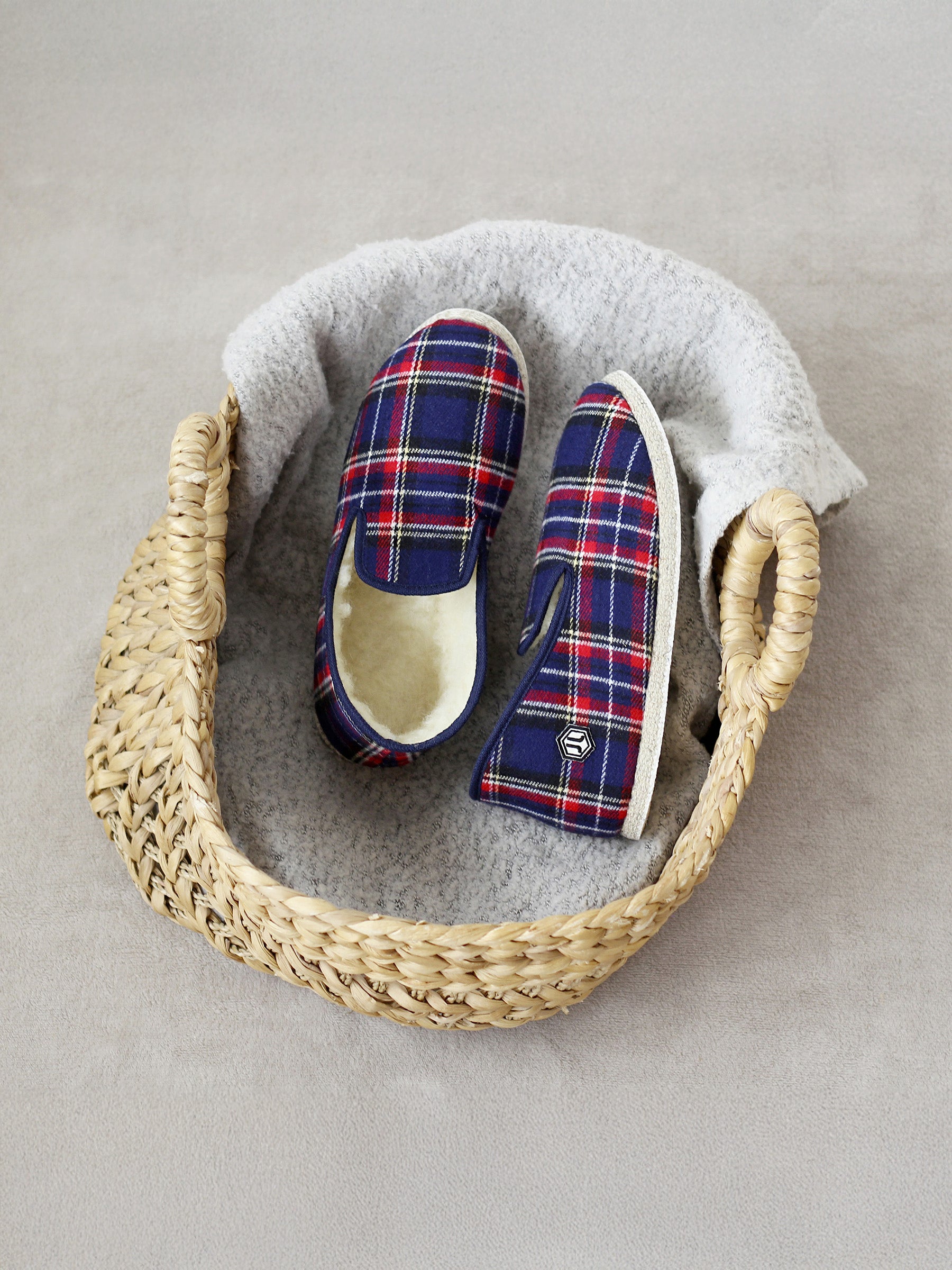
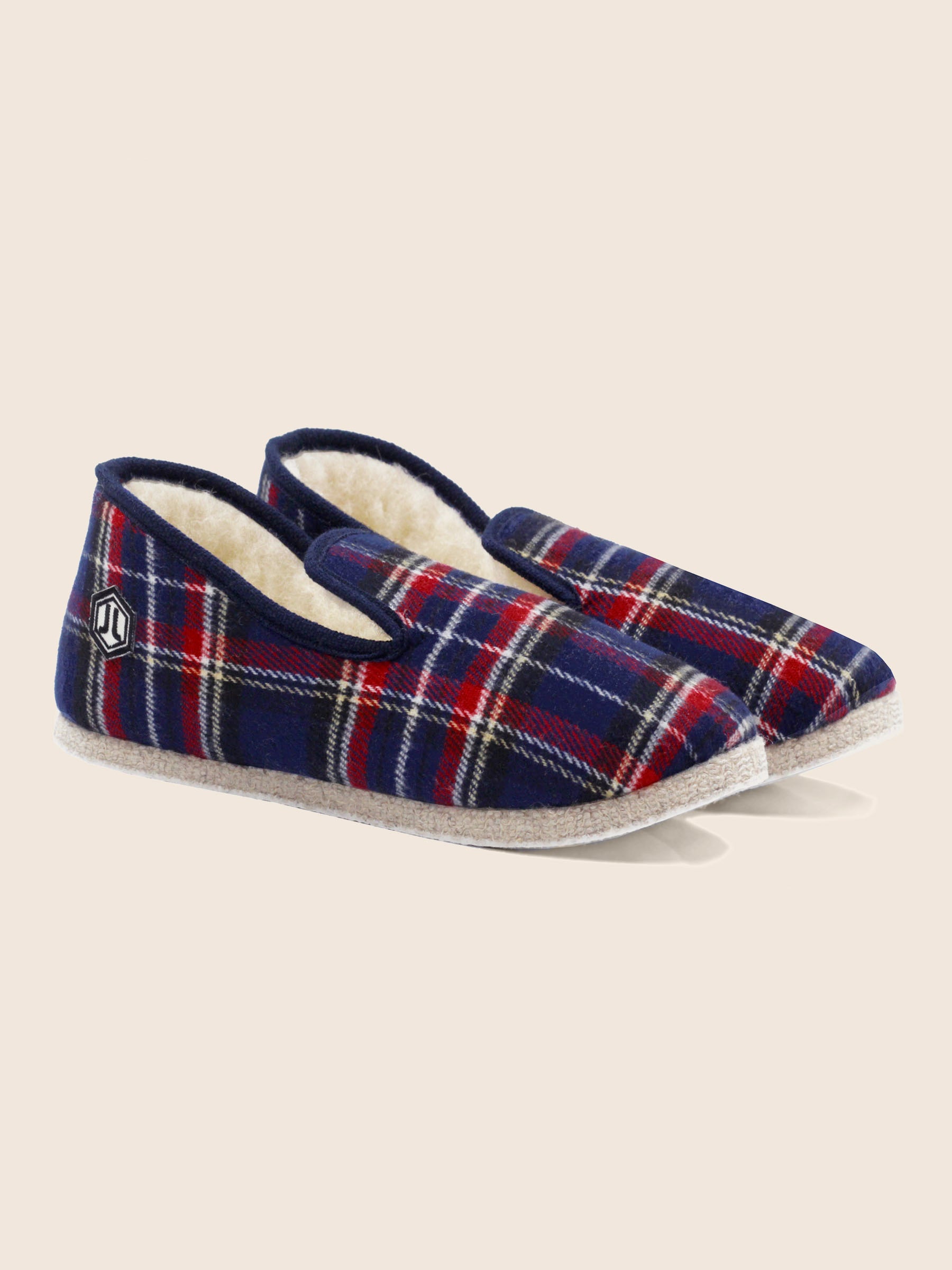
But it wasn't until the beginning of the 20th century, thanks in particular to Dr. Jeva and his felt bonding process, that the Charentaise slipper, with its rigid sole and famous, cheerful tartan pattern, became a staple in French homes. The Rondinaud family then went on to export it worldwide.

The sewn-and-turned method or nothing!
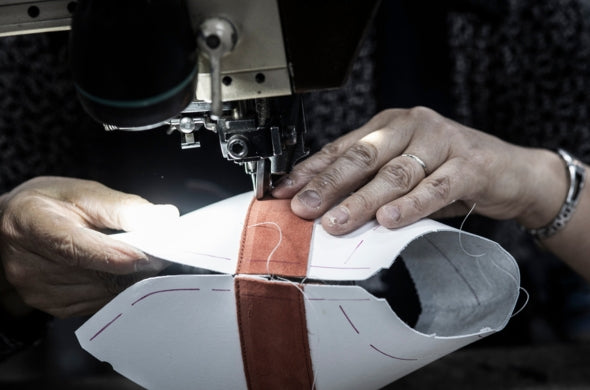
The "stitch-and-turn" technique is the name of the method that embodies all the expertise of the authentic Charentaise slipper. The felt sole is stitched and mounted inside out before being literally turned right side out. In 2019, the Charentaise slipper obtained the protection of a " geographical indication " (a first in this sector) under the title "Charentaise de Charente-Périgord," a designation directly linked to the stitch-and-turn technique specific to this region of France, distinguishing it from lower-end products, particularly those made in Asia. In other words, for a Charentaise slipper to be called a Charentaise, it must be made using this technique. If it isn't, even if it looks the same, it must then be called a "slipper."


From decline to trendy slipper
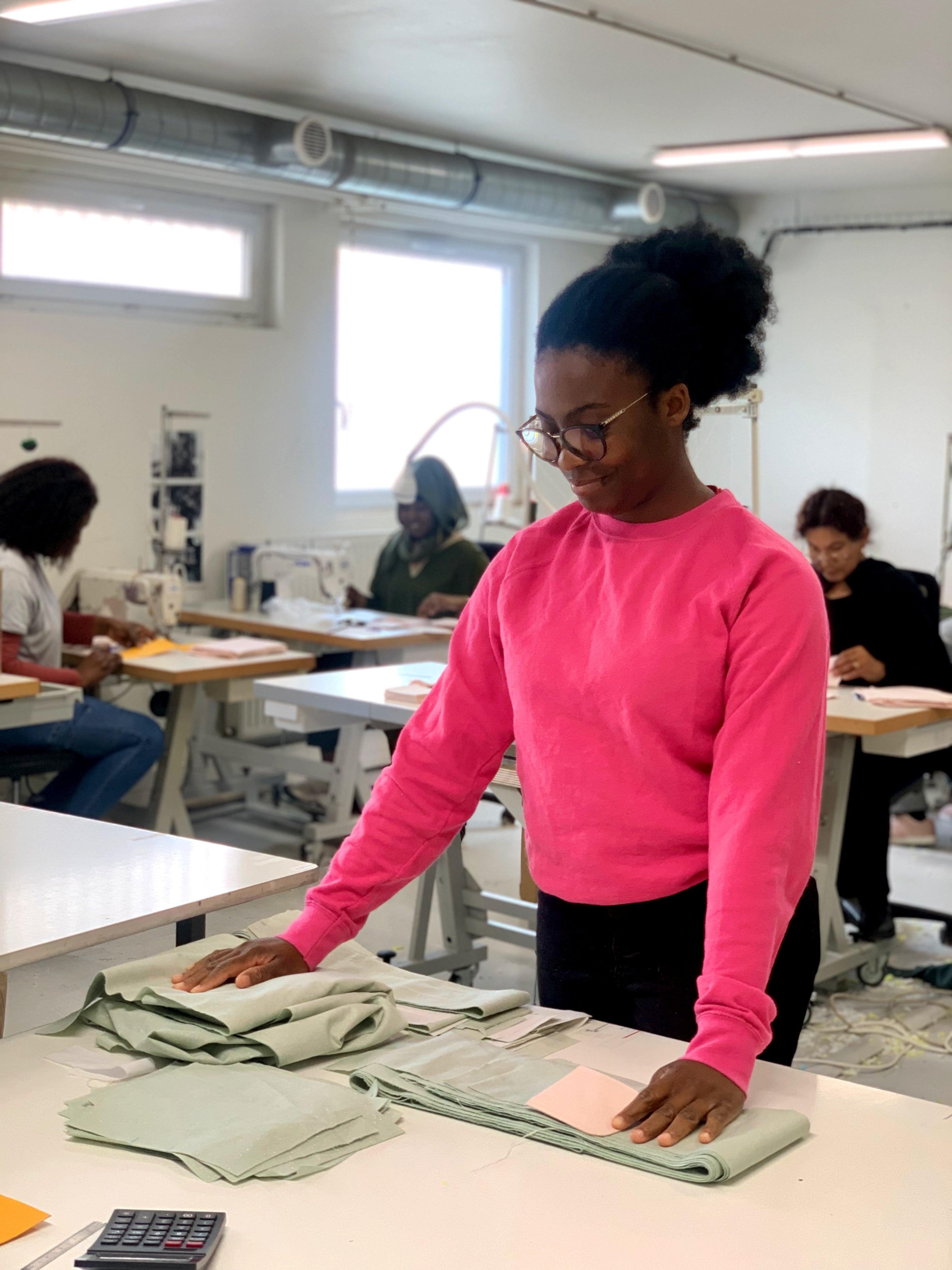
After the predicted demise of the French slipper due to Asian competition and numerous imitations, Olivier Rondinaud, great-grandson of Théophile Rondinaud, whose family has been in the slipper business for four generations, launched a rescue mission in 2020, still based in La Rochefoucauld-en-Angoumois. With the help of a partner, he bought machines dating from the 1950s used to make the famous "stitch-and-turn" construction and rehired about fifteen employees possessing a know-how that was on the verge of disappearing.
Sustainable fashion brands like ours decided to entrust them with the production of the famous slipper, giving it a modern twist. In addition to the traditional Scottish pattern that is so characteristic of them, we developed a more streamlined range and trendier colors . The result: success from the very start!

Now that you know all about it, whether you want to offer comfort this Christmas, get cozy or support the French economy, all you have to do is choose the Charentaise slipper that suits you!

Sources:
Wikipedia – The Charentaise
Mensup – From Charente and proud of it
France Info – La Rochefoucauld: L'Atelier Charentaises relaunches production of the slipper made in Charente
France 2 – Report “Don’t touch the Charentaise slipper”