What is upcycling?

The definition of upcycling
Upcycling is an Anglo-Saxon word that literally translates to "upcycling" or "recycling from above".
The main difference between recycling and upcycling lies in the design of the finished product. When we recycle, we destroy the material to rebuild it anew. With upcycling, it's the opposite! We take an object as is and give it a new lease on life, without expending additional energy to deconstruct the existing material.
The origin of upcycling
It emerged in Germany in the 1990s. Reiner Pilz, an engineer and mechanic by training, first used the term while lamenting the state of waste management in his country. According to him, either recycling is done to produce low-value goods, or waste is simply destroyed without considering the various possibilities for reuse or recovery.
Although the term "upcycling" originated in some countries, in practice it is developing countries that deserve credit for having developed the concept. Primarily due to a lack of resources, reuse is a real necessity there to maximize the usefulness of everyday objects and extend the lifespan of products as much as possible.


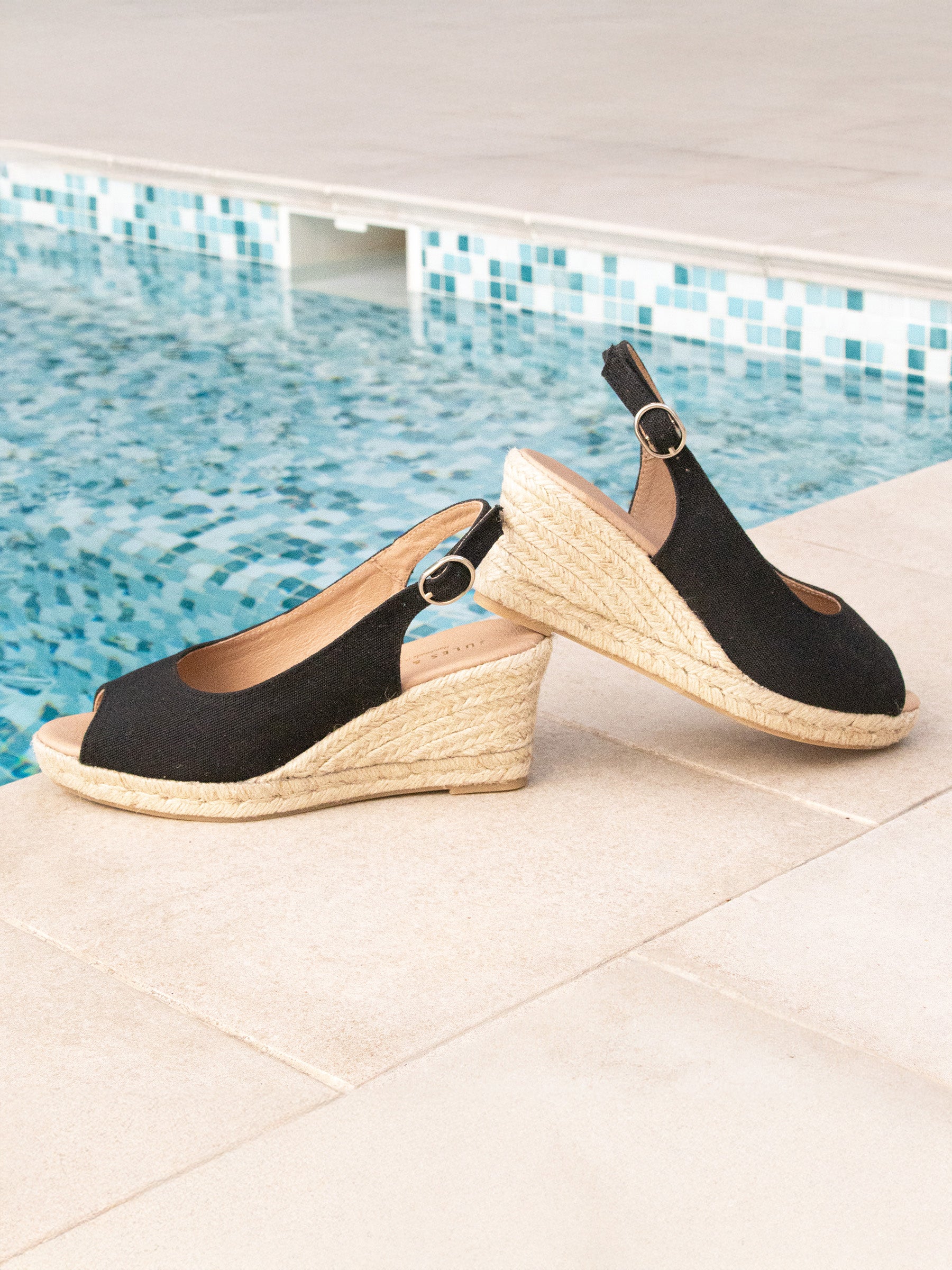
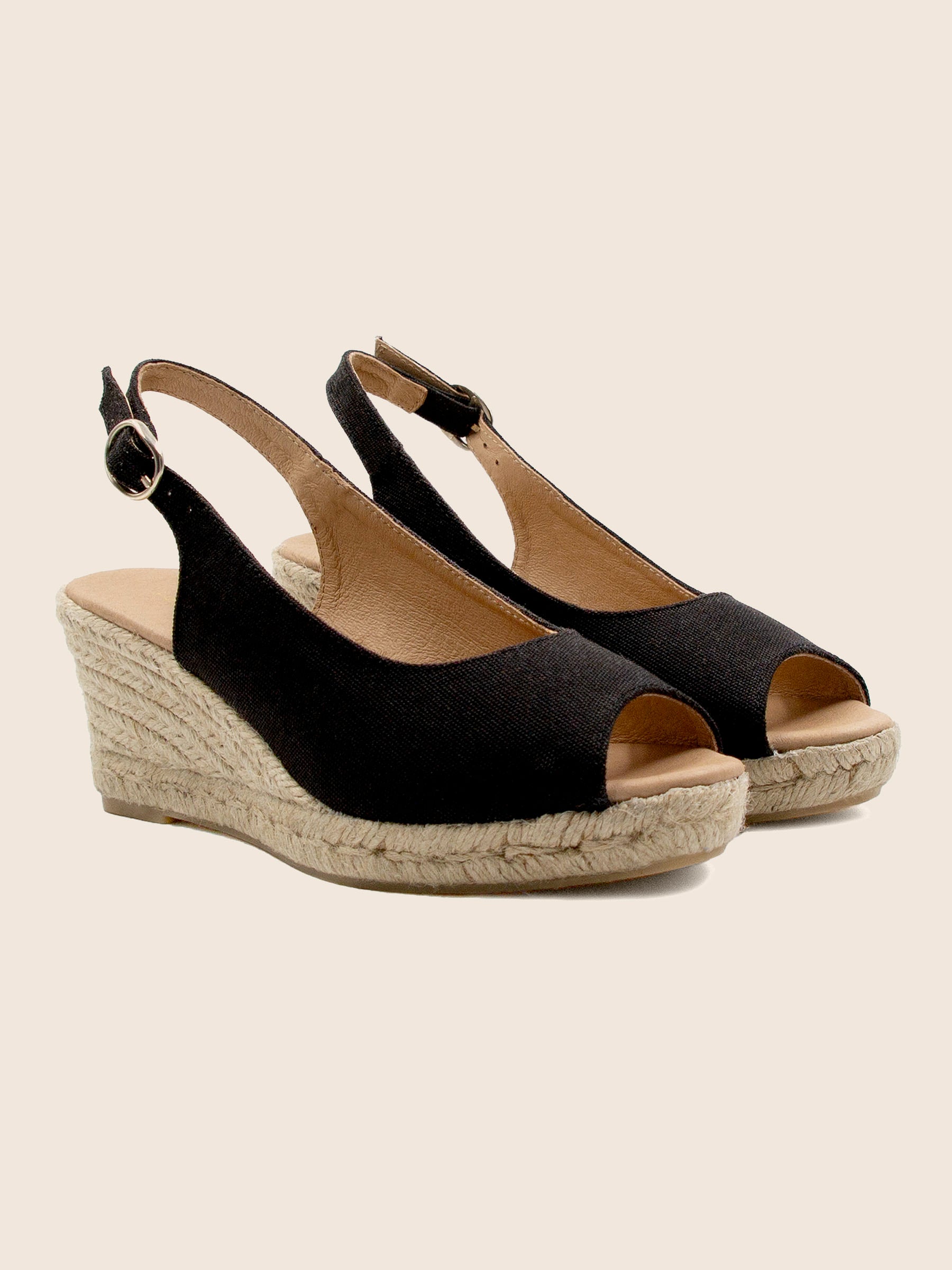
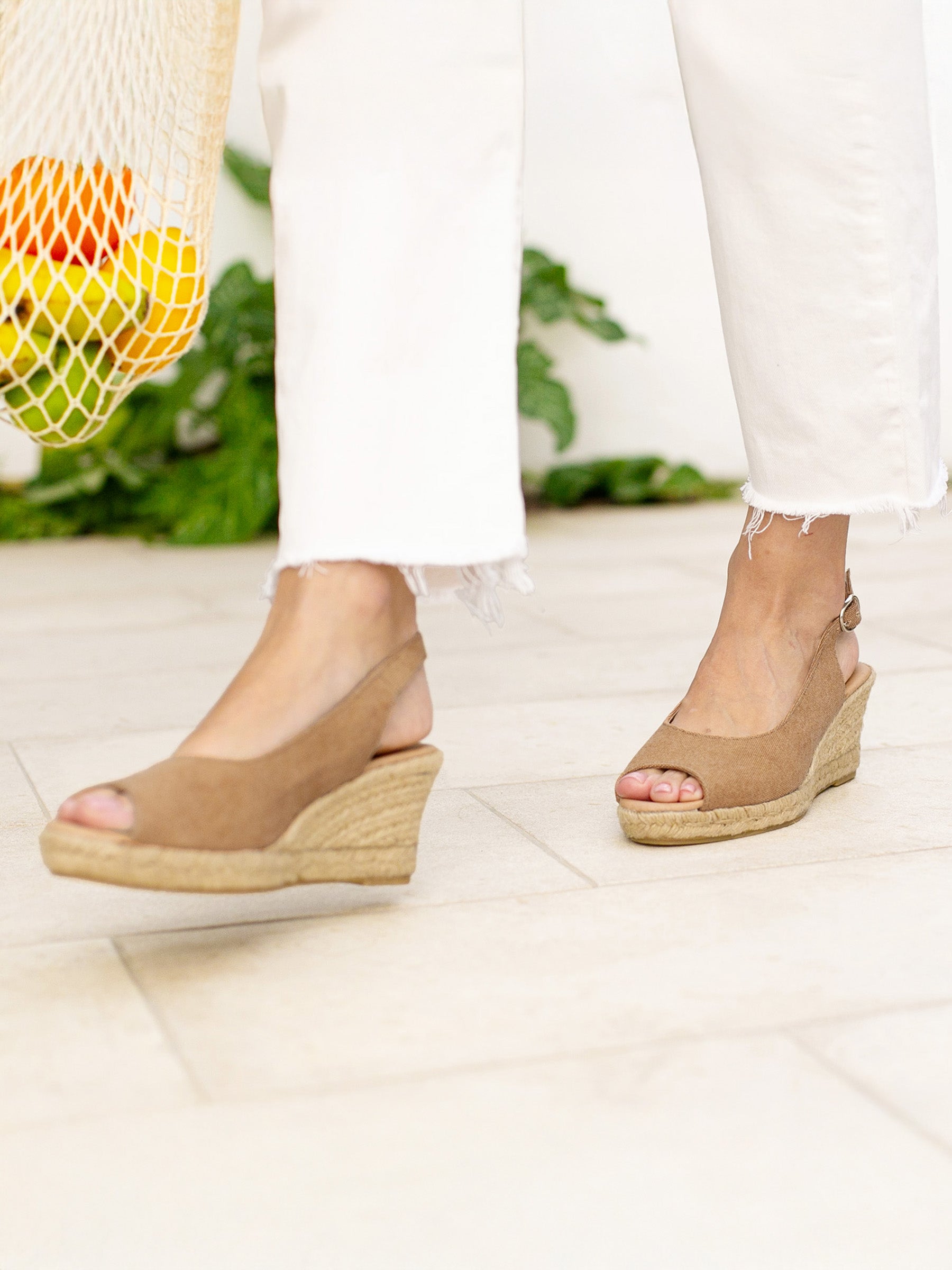
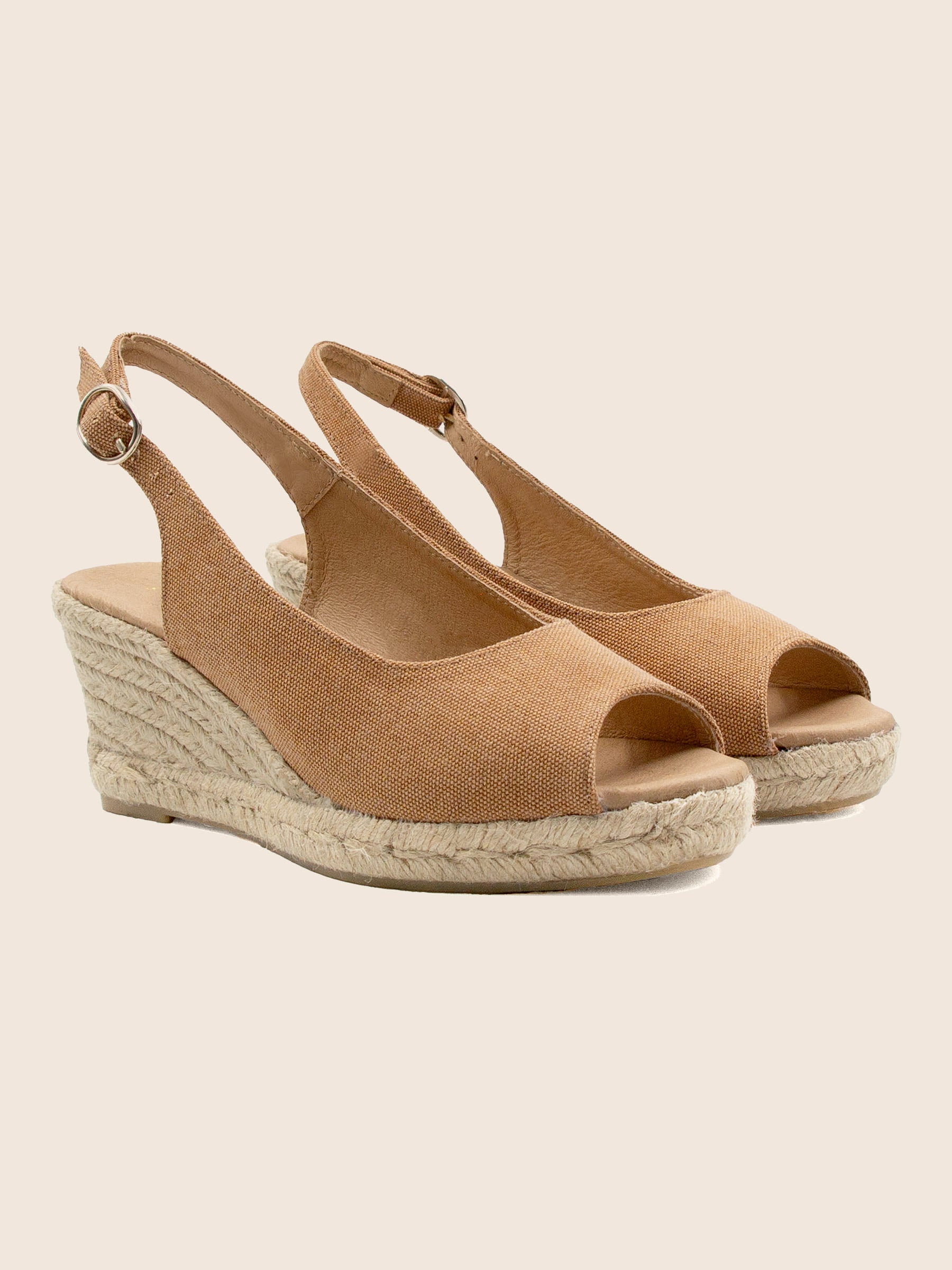
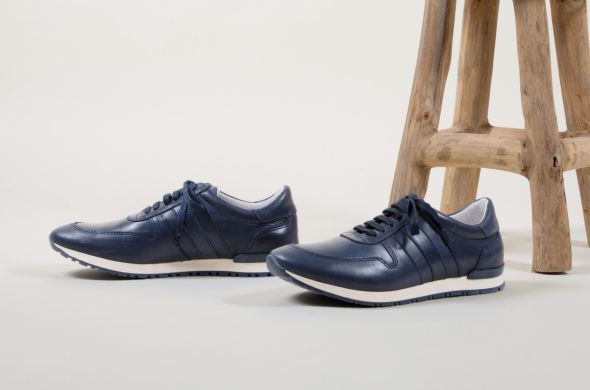
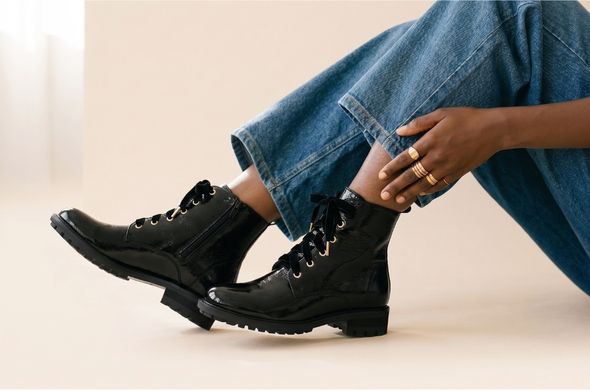
JULES & JENN sneakers made from recycled canvas
Today, it is in the West, with the growing interest in environmental issues and sustainable development, that upcycling is taking hold, complementing traditional recycling. In a society of overconsumption where we throw things away only to buy identical ones again, and where planned obsolescence is part of our daily lives, new practices are emerging to prove to the world that making something new from something old is possible. And it works!
With renewed creativity and a bit of elbow grease, many individuals and brands have taken up the task of recovering and repurposing everyday objects. This is part of the concept of the circular economy, a practice that promotes responsible consumption, maximizing use, and secondhand goods.
Upcycling, a true ecological movement, is a simple and fun, sometimes even unconscious, way to keep objects that haven't yet reached the end of their useful life from ending up in the landfill! Since recycling isn't readily available for all products, upcycling is a very good initiative.
Today, more than just a trend, "upcycling" is popping up everywhere. In fashion, gardening, or even art galleries, no sector is immune.

Suitcases transformed into shelves

Clothes transformed into cushions

Pallets transformed into furniture
The benefits of upcycling
Unsurprisingly, its primary benefit is its positive impact on the environment. Since the goal is to create a new object from an existing one, there's no need to create new materials and therefore deplete natural resources. Every year, humanity uses more and more natural resources, and at an ever-increasing rate. Earth Overshoot Day, the day when humanity has consumed all the resources the planet can regenerate in a year, keeps getting earlier. Consequently, the growing popularity of concepts like upcycling allows us to create new products without further straining our already depleted resources. For individuals, it's much simpler than recycling.
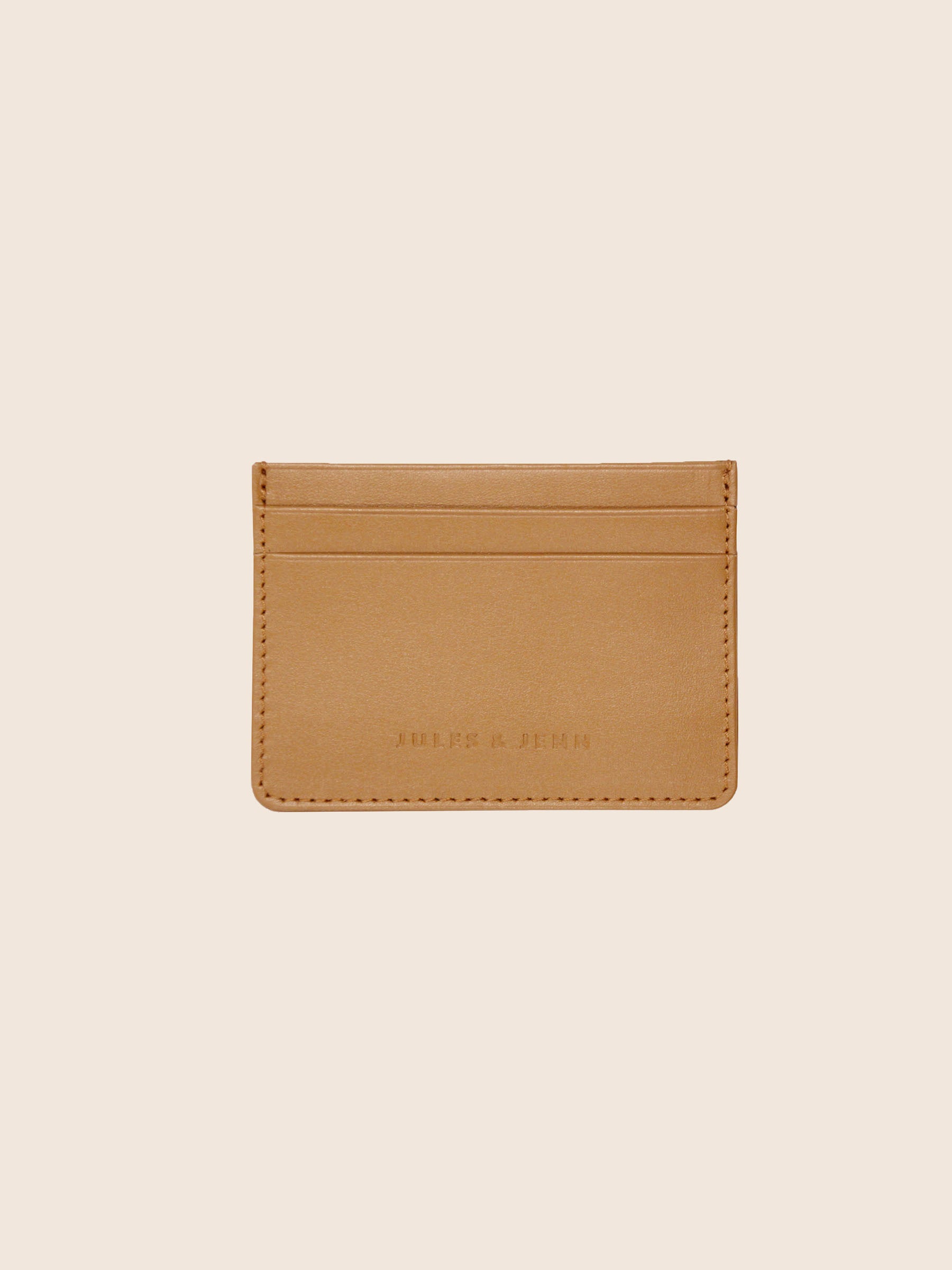
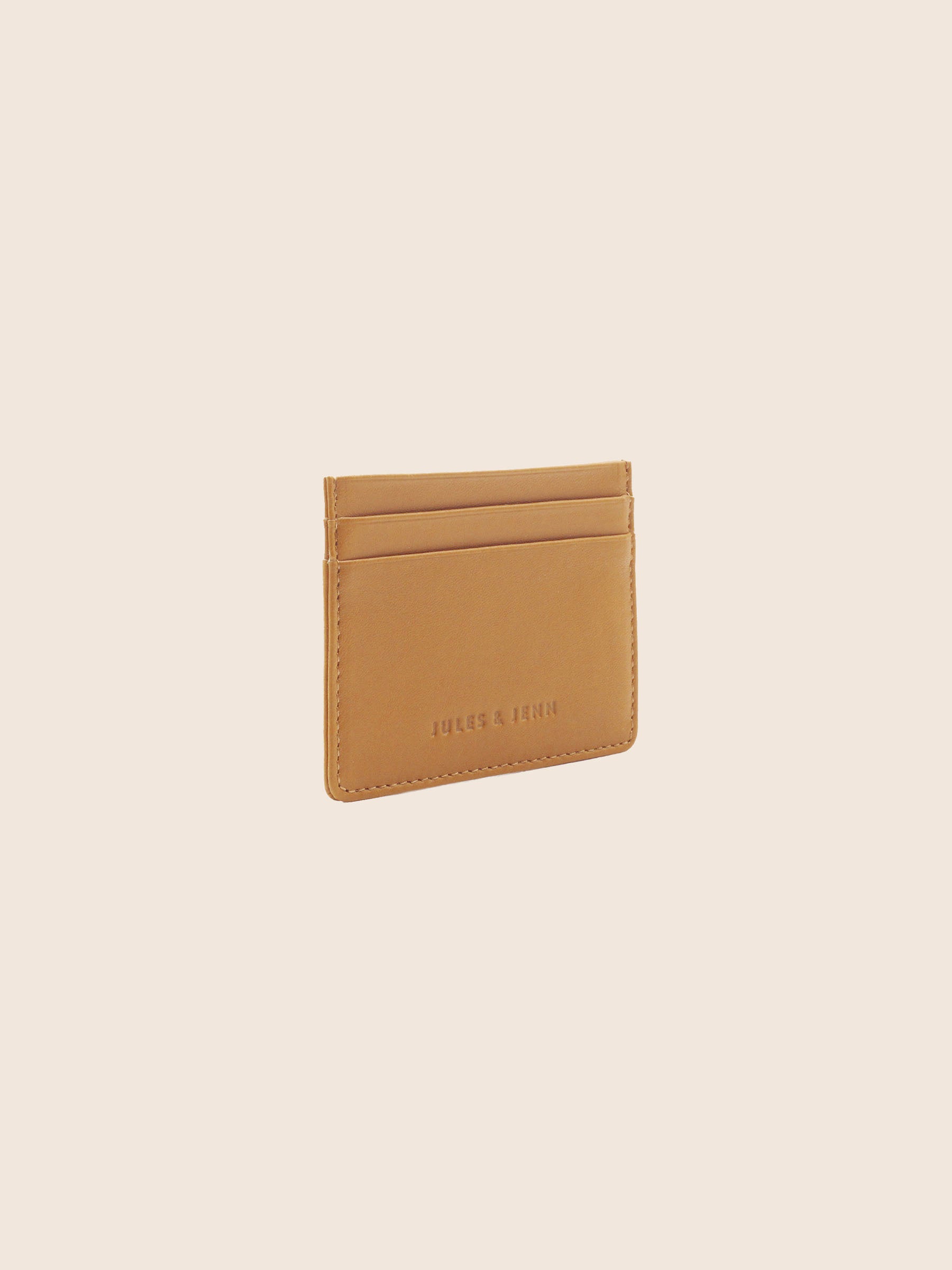
Based on the principle of reuse and repurposing, upcycling allows for a drastic reduction in waste production. For example, leather scraps can be transformed into wallets, construction pallets into garden furniture, and old sweaters into pillows.
Besides being a way to unleash one's creativity, the economic aspect should not be overlooked. It is often much less expensive to give an object a second life than to buy a new one.

Upcycled objects

Upcycling at JULES & JENN
JULES & JENN and upcycling
At JULES & JENN, we also wanted to contribute our small part!
In perfect alignment with our values, it was only natural that we decided to create upcycled and recycled products .
To date, we offer a full range of small leather goods, sneakers, and bags made from recycled and upcycled materials. Our upcycled small leather goods are even crafted from offcuts from our bag-making workshop in Graulhet !
Driven by a desire to reduce our waste and environmental impact, we launched these products. Seeing the amount of leather scraps we had, we decided to take action and repurpose this material.
But using this surplus isn't without consequences. Indeed, creating new products from our waste means that we need to have… waste! We don't use virgin materials to create the items in this range. Therefore, we can't simply restock a particular color or model whenever we want; we need to have raw materials to recycle.